If you are looking for an herbal smoking blend to ease anxiety and create a calmer headspace, you are in the right place. Think nothing overpowering, just something softer, more natural, and easier to return to than traditional tobacco.
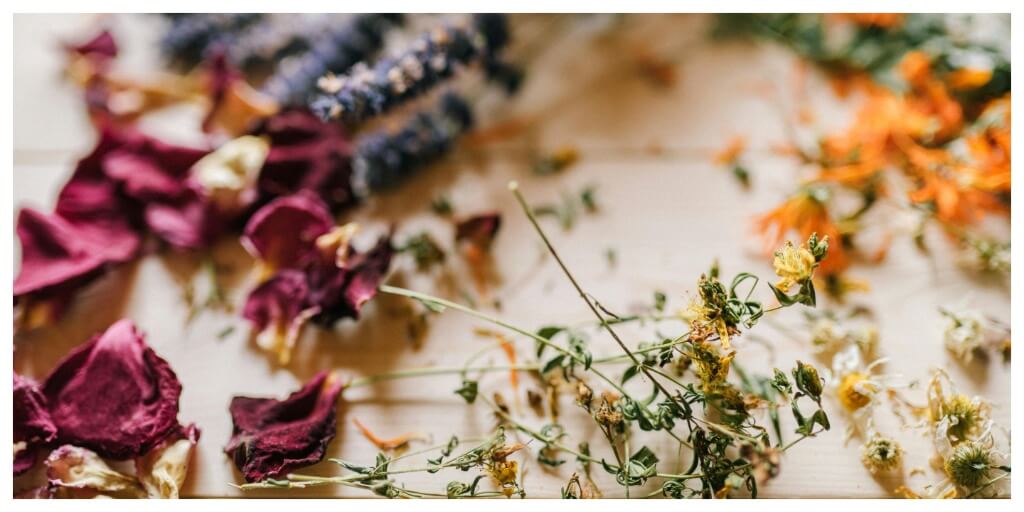
These blends are typically made from carefully selected dried herbs, chosen for their texture, aroma, and overall feel. Some lean light and airy, others more earthy and grounding, while certain mixes introduce floral or slightly dreamy notes.
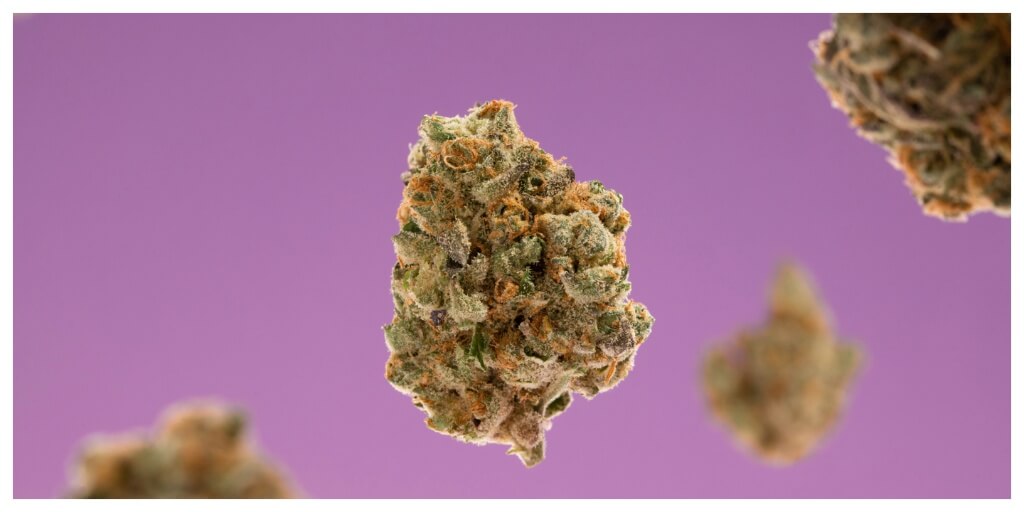
More recently, many people are also exploring how these blends pair with CBD flower, adding another layer of calm, body relaxation, and balance to the experience.
What Are Herbal Smoking Blends for Anxiety?
Herbal smoking blends for anxiety are tobacco-free mixtures of dried plants, either leaves, flowers or roots, designed to promote calm, relaxation, and mental ease. Instead of nicotine, they rely on botanicals like chamomile, lavender, or passionflower.
Most blends follow a simple structure: a smooth-burning base (like mullein), calming herbs for effect, and aromatic accents for flavor. The result is a ritual-driven experience built around slow, intentional use.
What makes them appealing is the fast, subtle onset combined with the grounding nature of the ritual itself. For some, pairing these blends with CBD flower adds a more noticeable sense of physical relaxation, creating a more rounded experience without increasing intensity.
Still, it’s important to keep expectations realistic:
Effects are usually mild and short-lived, and smoking anything carries risks. These blends work best as a supportive ritual, not treatment.
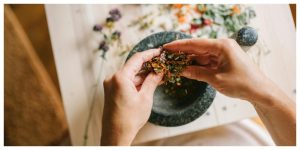
Why People Look for Calming Herbal Blends
Interest in herbal blends usually comes from a few places:
- A desire for a nicotine-free alternative
- Curiosity around botanical experiences
- A shift toward slower, more intentional rituals
For many, CBD naturally fits into this space. Adding CBD flower to a herbal base can make the experience feel more complete, especially for those looking for both mental calm and physical ease.
Which Herbs Are Most Commonly Used?
Certain herbs show up again and again in calming blends, each playing a different role:
- Damiana – balanced, versatile, and easy to blend
- Mullein – light, smooth base herb that softens the mix
- Lavender – strong floral accent, best used sparingly
- Chamomile – familiar, gentle, and comforting
- Blue Lotus – more niche, often tied to ritual-focused blends
- Skullcap & Passionflower – commonly included in relaxation-focused formulas
- Lemon Balm – adds a fresh, lighter herbal tone
When combined with CBD flower, these herbs often act as the foundation, while CBD brings a more noticeable calming depth.
Damiana is one of the best-known herbs in the herbal smoking world. It has a balanced texture, a recognizable botanical taste, and enough body to work well in a wide range of blends.
People often choose damiana because it feels versatile. It is not too light, not too overpowering, and it tends to pair well with both earthy and floral herbs. That is a big reason it shows up so often in blends aimed at evening use or calmer rituals.
Mullein is a classic base herb. It is light, fluffy, and often used to create volume and softness in a blend. On its own, it is fairly mild, which makes it useful as a foundation rather than the star ingredient.
For beginners, mullein is often one of the easiest herbs to understand because it helps make a blend feel lighter and more balanced.
Lavender
Lavender is usually used in small amounts. It brings a clear floral note and can completely change the aroma of a blend. Used well, it adds character and a more aromatic, evening-style profile. Used too heavily, it can easily dominate everything else.
That is why lavender works best as an accent herb rather than a base.
Chamomile
Chamomile is familiar to most people from tea, so it often feels approachable. In smoking blends, it is usually chosen for the same reason people are drawn to it elsewhere: it has a gentle, comforting reputation and a soft herbal character.
It is often included in blends built around winding down rather than sharp flavor.
Blue lotus has a more niche reputation, but it is often discussed in the herbal community in relation to mellow, ritual-focused blends. It tends to attract people who are exploring herbs beyond the basics and want something with a slightly more unusual profile.
It is usually not the first herb beginners start with, but it is one that gets searched often.
Skullcap
Skullcap appears in some calming herbal blends, especially in more specialty botanical formulas. It is not as mainstream as mullein or chamomile, but it has a place in the broader herbal smoking conversation.
Passionflower
Passionflower is another herb that often appears in discussions around more relaxing blends. It is typically used as part of a wider mix rather than as a standalone choice.
Lemon Balm
Lemon balm offers a softer, fresher herbal note and may appeal to people who do not want their blend to feel too earthy or too floral. It can help create a lighter overall profile.
What Makes a Blend Feel Calm and Balanced?
A good blend is less about individual ingredients and more about how they work together.
- Base herbs create smoothness and volume
- Support herbs shape the overall feel
- Accent herbs refine aroma and character
For example, a mix of mullein (base) + damiana (support) + lavender (accent) creates a balanced profile. Adding CBD flower to that structure can enhance the sense of full-body relaxation without overpowering the blend.
Just as important is texture. The best blends feel easy, smooth, and consistent, not harsh or overly intense.
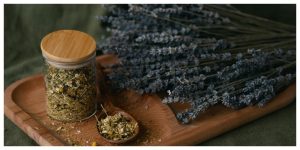
Best Herbal Blend Ingredients for Beginners
If you are new, keep it simple.
Start with:
- Mullein for a soft, approachable base
- Damiana or chamomile for a calming profile
- Lemon balm for a lighter touch
Use sparingly:
- Lavender
- Blue lotus
- Strong aromatics
For beginners, combining a simple herbal base with CBD flower is often an easy entry point, because it keeps the blend familiar while adding a subtle functional edge.
How to Choose the Right Blend
The best blend is the one that matches your preferences.
- Light & smooth: look for mullein-heavy blends
- Earthy & grounded: choose damiana-forward mixes
- Floral & aromatic: small amounts of lavender or chamomile
If you already enjoy CBD, pairing it with the right herbal profile can help you fine-tune the experience, whether you want something more uplifting, calming, or neutral.
How to Use Herbal Smoking Blends
Part of the appeal is simplicity.
Most people use herbal blends in the same way they would other smokable products, often as part of a broader, intentional routine.
A few things make a big difference:
- Grind and texture affect smoothness
- Freshness impacts flavor and feel
- Proper storage preserves quality
Keep blends in a sealed container, away from heat, light, and moisture, and if you can, add a humidity pack to the container to prevent the herbs from drying up too fast.
FAQ About Herbal Smoking Blends for Anxiety
What are the best herbs for anxiety in smoking blends?
Common options include damiana, mullein, chamomile, lavender, lemon balm, passionflower, and skullcap. Many people also combine these with CBD flower for a more layered effect.
Is damiana good in herbal smoking blends?
Yes, it is one of the most versatile herbs, known for its balanced texture and compatibility with other botanicals.
Can you smoke chamomile or lavender?
Yes, but they are usually used in small amounts for aroma rather than as a base.
What is the smoothest herb to smoke?
Mullein is widely considered the smoothest and most beginner-friendly base herb.
Do herbal smoking blends contain nicotine?
Most are nicotine-free, but always check the label.