Few botanicals carry the mystique of blue lotus. Once floating along the Nile and carved into temple walls, today it appears in modern herbal smoking blends, tea rituals, and botanical collections.
But beyond the symbolism and internet hype, what is blue lotus really? What does it feel like? And what should you realistically expect if you decide to try smoking blue lotus?
Let’s dive in.
What Is Blue Lotus?
At its simplest, blue lotus refers to the dried flowers of Nymphaea caerulea, an aquatic plant native to regions of North and East Africa. Despite the name,it is actually not a true lotus. Botanically, it is classified as a water lily.
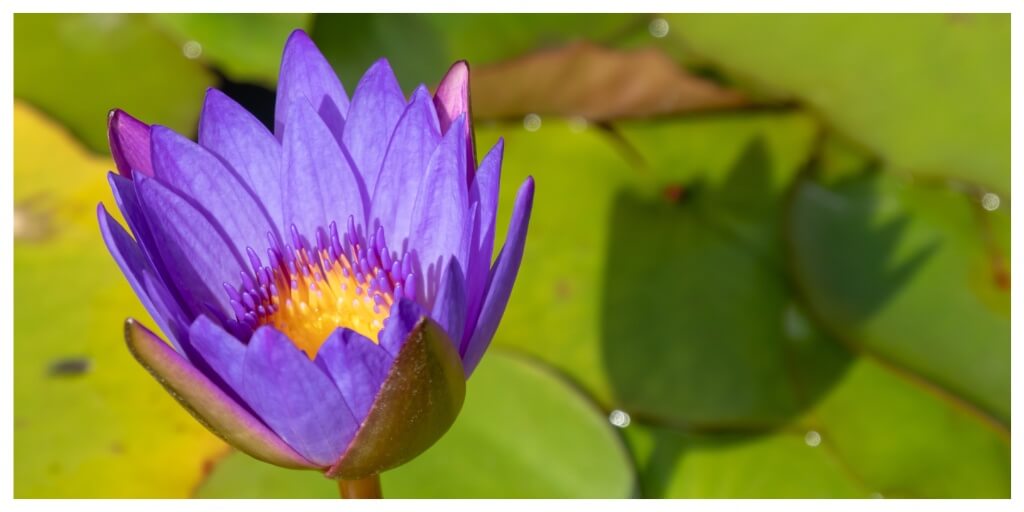
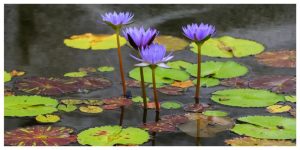
The plant grows in freshwater lakes and slow-moving rivers. When in bloom, it reveals blue or blue-purple petals surrounding a vivid yellow center. The flowers open during the day and close at night, a rhythmic movement that helped shape its ancient symbolism.
After harvesting, the blossoms are carefully dried to preserve their color, aroma, and structure. Most modern products are sold as whole dried flowers or loose petals, not finely ground powder.
Blue Lotus in Ancient Egyptian Culture
Blue lotus appears throughout ancient Egyptian art. It is seen in tomb paintings, banquet scenes, and temple carvings. The flower symbolized rebirth, renewal, and the rising sun.
Historical sources suggest it was used in ceremonial settings, sometimes infused into wine or prepared as an aromatic offering, likely playing a role in the ritual atmosphere.
Why Is Blue Lotus Popular Today?
The resurgence of blue lotus mirrors a broader movement toward traditional botanicals and plant-based rituals. As people explore alternatives to conventional products, interest in ancient herbs naturally follows.
Blue lotus stands out for two reasons: its cultural depth and its subtle character.
Within contemporary herbal smoking blends, blue lotus is rarely treated as a base herb. Instead, it adds aromatic complexity and a distinctive floral top note.
Its appeal is less about intensity and more about atmosphere. Think of it as a botanical accent rather than the main instrument.
Quality, however, varies widely. Authentic Nymphaea caerulea should have visible blue tones and a noticeable floral scent. Products that look overly brown, dusty, or scentless may not be genuine or properly stored.
Blue Lotus as a Legal Herbal Alternative
In many regions, blue lotus is discussed as a legal botanical option within smoking communities. It has a reputation for offering gentle relaxation without overwhelming intoxication.
That said, expectations should remain realistic. Blue lotus is often described as mild, sometimes even barely noticeable depending on the individual. Sensitivity, dosage, and environment all shape the experience.
If you approach it expecting fireworks, you may be disappointed. If you approach it with curiosity, you’re more likely to appreciate its subtlety.
Blue Lotus Effects
Searches for “blue lotus effects” usually aim to answer one question: what does it actually feel like?
What Does Blue Lotus Feel Like?
Most descriptions emphasize a soft calming sensation and a gentle mood shift. Some users mention a slightly dreamy or floaty character, especially in relaxed settings.
Blue lotus is typically not associated with strong intoxication. Instead, it may enhance a moment, slightly soften edges, or contribute to a relaxed atmosphere. Its effects often feel more like a background tone than a dramatic foreground shift.
Preparation method influences perception. Tea preparations tend to feel slower and more ritual-oriented, while smoking blue lotus may produce a quicker onset with a shorter window.
“Psychoactive” simply means affecting the mind in some way. By that definition, many herbs qualify to varying degrees.
Blue lotus contains naturally occurring compounds such as aporphine alkaloids, which are often cited in discussions about its properties. However, most accounts describe any psychoactive effect as light and understated.
Dosing and ingestion method matter, as does personal sensitivity.
How Long Do Blue Lotus Effects Last?
Duration varies, but anecdotal ranges often suggest:
Smoked blue lotus: roughly 30 to 90 minutes
Blue lotus tea: around 1 to 2 hours
These are general estimates. Amount used, tolerance, and method of preparation all influence duration. As with any herb, moderation and awareness are essential.
Smoking Blue Lotus
Among modern users, smoking blue lotus has become one of the most discussed applications.
Can You Smoke Blue Lotus?
Yes, dried blue lotus petals are commonly used in herbal smoking blends. The petals are usually broken apart gently by hand. Avoid grinding them into a fine powder, as that can disrupt airflow and burn quality.
When combusted, blue lotus tends to produce a light floral aroma with a slightly sweet, herbal finish. Many describe it as relatively smooth compared to harsher botanicals.
Why People Add Blue Lotus to Herbal Smoking Blends
Blue lotus functions well as a supporting herb. It is rarely used alone in large amounts. Instead, it adds nuance to blends built around smoother base herbs.
People often include it to:
Introduce a floral top note
Balance stronger or earthier botanicals
Create a more evening-oriented profile
When paired thoughtfully, it rounds out a blend without dominating it.
How to Smoke Blue Lotus
If you’re new to smoking blue lotus, keep it simple.
Start with a small amount. Adjust gradually based on comfort and preference. Subtle herbs reward patience.
Quality accessories also influence the session. Good airflow, proper filtration, and clean materials make a noticeable difference, especially when working with delicate botanicals.
Is Blue Lotus Legal?
Legal status is one of the most common concerns surrounding blue lotus, since its presumed psychoactive effects might have an impact.
Legal Status in the US, UK & EU
In many regions, including much of the United States, the United Kingdom, and the European Union, blue lotus is generally legal to purchase and possess as a botanical product.
However, it is not approved as a medicinal product, and regulatory frameworks can change. Always verify local laws before purchasing or using any herbal material.
Is Blue Lotus Regulated or Controlled?
Blue lotus is typically sold as a dried herb, incense product, or ornamental flower. It is not commonly listed as a controlled substance in most jurisdictions, but laws evolve.
Staying informed is part of responsible use.
How to Choose High-Quality Blue Lotus
Quality directly impacts aroma, smoothness, and overall experience.
What Real Blue Lotus Should Look Like
Authentic blue lotus usually appears as whole dried flowers or intact petals with visible blue to purple tones. Some fading is natural, but it should not look excessively brown or dusty.
A clear floral aroma is another strong indicator of freshness.
Whole Flowers vs Loose Petals vs Extract
Whole flowers are often chosen for aesthetic or ritual reasons. Loose petals are generally the most practical option for smoking blends, offering easier portion control and mixing.
Extracts are more concentrated and typically used in different contexts. For smoking blends, loose petals provide greater flexibility and balance.
Storage Tips
Store blue lotus in an airtight container in a cool, dry, dark environment. Avoid moisture exposure, which can degrade both aroma and texture.
Small details preserve quality.
Blue Lotus vs Other Popular Smoking Herbs
Blue lotus is often compared to other herbs used in blends.
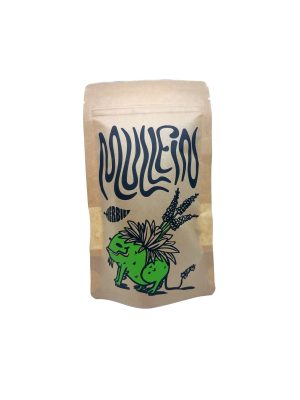
Compared to damiana, blue lotus is lighter and more floral, while damiana brings a warmer, earthier body. Against mullein, which is fluffy and neutral, blue lotus adds character and aroma rather than structure. In contrast to lavender, which can be intensely perfumed, blue lotus is smoother and easier to incorporate in slightly higher ratios.
Understanding these differences helps you design blends intentionally rather than randomly.
20.00 €Original price was: 20.00 €.10.00 €Current price is: 10.00 €.50% OffAdd to basket
FAQ About Blue Lotus
What is blue lotus used for?
Traditionally, blue lotus was associated with ceremonial and symbolic contexts. Today, it is used in herbal tea preparations, botanical collections, and smoking blends for its aroma and subtle experiential qualities.
Can you smoke blue lotus?
Yes. Dried petals are commonly incorporated into herbal smoking blends. Proper drying, clean accessories, and moderation are important.
Does blue lotus get you high?
Most descriptions emphasize mild and subtle effects rather than strong intoxication. Experiences vary significantly by individual.
Is blue lotus safe to smoke?
No herbal material is entirely risk-free when combusted. Using clean, properly sourced material and practicing moderation are general precautions.
How much blue lotus should you use?
Start low and adjust gradually. Small amounts blended thoughtfully are often sufficient.
Is blue lotus legal?
In many regions, yes. Always confirm your local regulations.
What does blue lotus taste like when smoked?
It is typically described as floral, slightly sweet, and smooth with a light herbal finish.
Can you mix blue lotus with tobacco or cannabis?
Blue lotus is a great way to enhance the effects of cannabis and provide depth to the experience. Mixing with tobacco is also an option.
Takeaway: Is Blue Lotus Worth Exploring?
Blue lotus sits at a rare intersection of history, symbolism, and modern herbal experimentation. It is visually striking, aromatically unique, and generally mild in effect.
When used in moderation, it won’t overwhelm you and that’s precisely its appeal.
For those interested in refining herbal smoking blends or exploring traditional botanicals with depth and narrative, blue lotus offers character without excess. Approach it with curiosity, realistic expectations, and respect for quality.
Cannabis has some seriously strange names. From Cat Piss and Unicorn Poop to Northern Lights, explore 30 of the funniest, weirdest and most interesting cannabis strain names and the stories behind them.
Hemp is cannabis – but the distinction between hemp and other cannabis varieties can get surprisingly complicated. Learn how THC, CBD, genetics, cultivation, uses and legislation shape the difference between cannabis and hemp.
CBG and lion’s mane are both used in focus supplements, but they work differently. Compare their potential uses, limitations, side effects and suitability for ADHD routines.