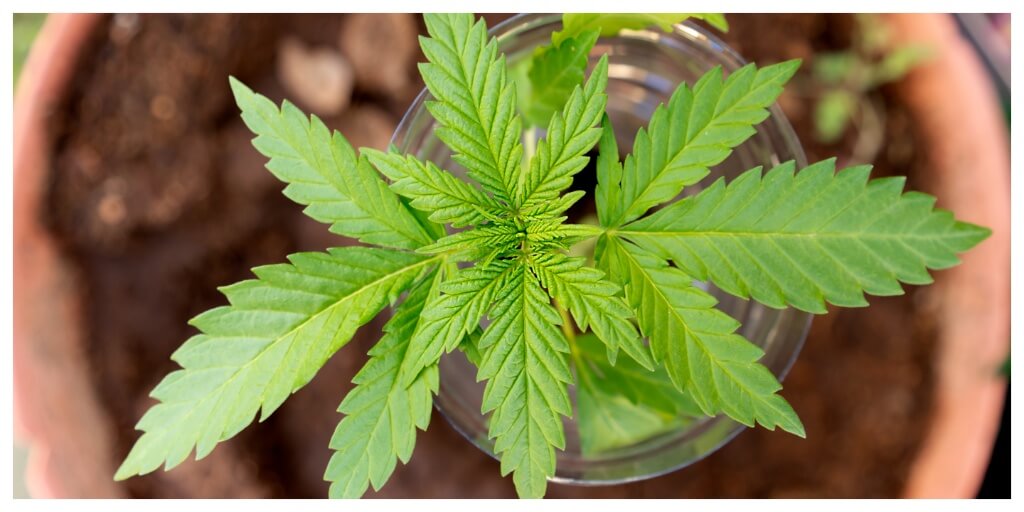
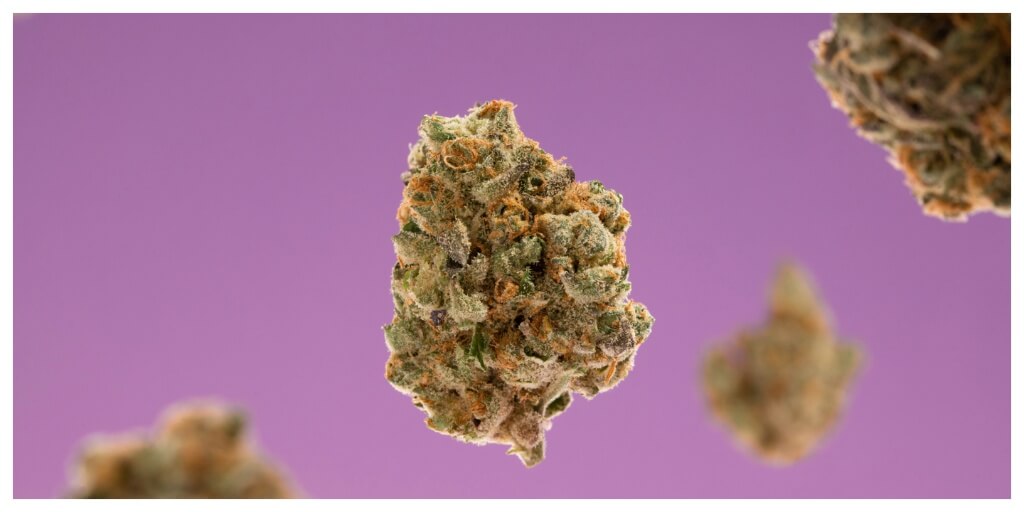
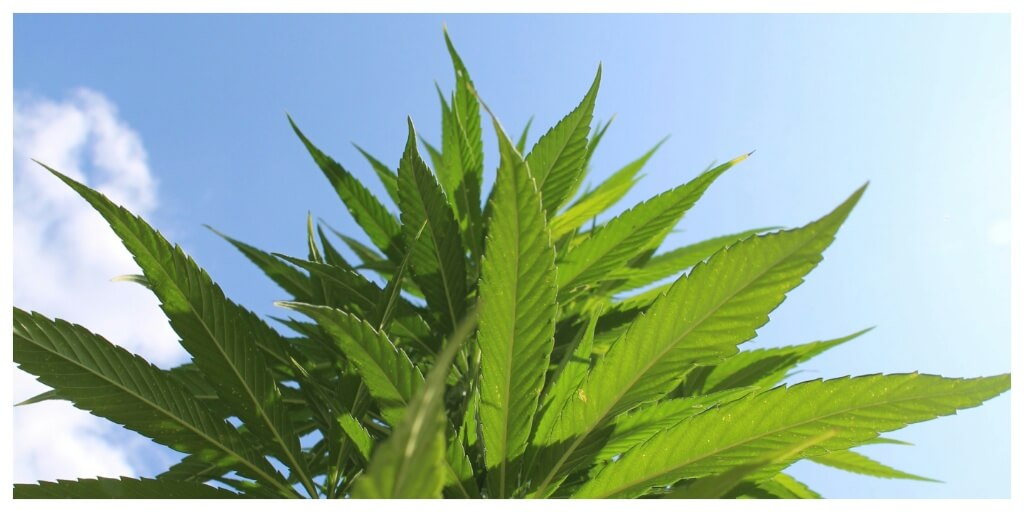
Germination is the moment a cannabis seed stops being just a seed and starts becoming a plant. It is the first real step of the growing process, and it is also one of the most important. Get it right, and everything that follows becomes easier. Get it wrong, and even strong genetics can struggle before the grow has properly begun.
The good news is that cannabis seed germination does not need to be complicated. Most beginners succeed with simple, proven methods and a bit of patience. The key is understanding what the seed actually needs: moisture, warmth, darkness, and gentle handling.
Whether you are starting your first grow or just want a cleaner process with better results, this guide breaks down how to germinate cannabis seeds step by step, along with the most common mistakes to avoid.
What Is Cannabis Seed Germination?
Cannabis seed germination is the process where a dormant seed begins to sprout. Once the seed absorbs enough moisture and is kept in the right conditions, it starts to open and produce its first root.
That first tiny white root is called the taproot. It is the earliest visible sign that the seed has come to life and is ready to move into its next stage.
From there, the seedling begins building its root system and pushing upward toward the surface. This early window matters because the plant is at its most delicate. Small mistakes during germination can slow growth, reduce vigor, or stop the process completely.
That is why experienced growers tend to treat germination with a bit more respect than people expect. It may look simple from the outside, but it sets the tone for the entire grow.
Before you even germinate a seed, it helps to know what kind of seed you are working with and where you plan to grow it. A beginner starting with autoflowers may approach the process a little differently than someone planning a longer photoperiod grow, and the setup can also vary depending on whether you are growing indoors or outdoors.
Cannabis seeds do not need much, but they do need the right basics. Good germination is all about creating a stable environment that encourages the seed to open naturally.
Moisture
Seeds need moisture to activate the germination process. The shell softens, water penetrates the seed, and the biological process begins.
The important detail is that seeds need to be moist, not soaked. Too little water can stall germination. Too much can reduce oxygen and increase the risk of rot or failure.
Warmth
Cannabis seeds generally germinate best in a warm environment. If conditions are too cold, the process slows down or may not begin properly at all.
Steady warmth is better than dramatic swings. A stable environment helps the seed progress naturally without extra stress.
Darkness
Seeds do not need bright light during germination. In fact, most methods work best when the seed is kept in a dark or low-light environment, similar to how it would behave in nature beneath the soil.
Oxygen
This part is easy to overlook. Seeds need oxygen as well as moisture. If they are sitting in overly wet conditions without enough airflow, they can struggle.
That is why the best germination setups feel balanced rather than drenched.
The Paper Towel Method (Most Popular Method)
The paper towel method is one of the most common ways to germinate cannabis seeds because it is simple, accessible, and easy to monitor. It allows you to check progress without digging into soil or guessing what is happening underground.
For beginners, it is often the easiest place to start.
What you need
You only need a few basic items:
cannabis seeds
paper towels
clean water
two plates or a container with a lid
The goal is to create a moist, protected environment that holds warmth without becoming waterlogged.
Step-by-step instructions
Start by dampening two paper towels with water. They should be evenly moist but not dripping. If you can squeeze water out of them, they are too wet.
Place one paper towel on a plate, then space the seeds on top so they are not touching. Cover them gently with the second damp paper towel.
You can then place another plate upside down over the first one, or use a lightly closed container to help maintain darkness and moisture.
Store the setup in a warm, dark place and check it once or twice a day. The towels should stay moist, but again, not soaked.
Once the seeds crack and a small white taproot appears, they are ready to be planted.
This method is popular because it gives you a clear visual check. You can see which seeds are viable and move them at the right time.
Some growers prefer to germinate cannabis seeds directly in soil. This is a more natural approach and can reduce the need to handle the delicate taproot later.
Instead of waiting for the seed to sprout outside the growing medium, you place it straight into lightly moistened soil and let the process happen there.
How to do it
Fill a small pot or starter plug with a light, airy growing medium. Make sure it is moist but not saturated.
Plant the seed around 0.5 to 1.5 cm deep, cover it lightly, and keep the medium warm and evenly moist. Avoid packing the soil down too tightly, since the seed needs oxygen as well as moisture.
Then wait.
This method requires slightly more patience because you cannot see the taproot forming, but many growers like it because it feels more straightforward and reduces transplant stress at the earliest stage.
Advantages of germinating in soil
The main benefit is that the seed starts in its final early environment. That means:
less handling
less risk of damaging the taproot
a more natural transition into seedling growth
Disadvantages of germinating in soil
The downside is that you have less visibility. You cannot easily tell whether the seed is progressing, delayed, or has failed without disturbing it.
That is why some beginners prefer the paper towel method first. It gives more feedback and feels easier to control.
How Long Do Cannabis Seeds Take to Germinate?
In most cases, cannabis seeds take around 24 to 72 hours to germinate, though some may need longer depending on genetics, freshness, and environmental conditions.
Some seeds crack quickly and show a taproot within a day, others take several days before anything visible happens. That difference alone does not mean something is wrong. It usually becomes more concerning when seeds sit for too long in poor conditions, especially if they are too cold, too wet, or older in quality.
Patience matters here. Many beginner mistakes come from checking too often, moving seeds too early, or assuming they have failed before they have had a fair chance.
How to Plant Germinated Cannabis Seeds
Once the taproot appears, the next step is planting the seed carefully. This stage is simple, but it is also where rough handling can cause unnecessary damage.
Make a small hole in your growing medium, usually around 0.5 to 1.5 cm deep. Place the germinated seed into the hole with the taproot pointing downward. That helps the root continue growing in the natural direction while the seed shell and sprout work upward.
Cover it lightly with soil. Do not press hard or compact the surface too much.
The main rule here is to be gentle. The taproot is fragile, and squeezing it, pinching it, or dropping it carelessly can affect early growth.
After planting, keep the medium slightly moist and warm while the seedling emerges.
Common Germination Mistakes
Most cannabis seed germination problems come from a few repeat mistakes. The process itself is simple. It is usually overhandling or unstable conditions that get in the way.
Too much water
This is probably the most common issue. Seeds need moisture, but they also need oxygen. Overly soaked paper towels or saturated soil can slow the process and increase the chance of rot.
Low temperature
Cold conditions can stall germination or make it take much longer than expected. Seeds tend to perform best when warmth is stable.
Touching the taproot
Once the seed opens, the taproot is delicate. Touching it directly with your fingers or handling it roughly during planting can damage the seed before it has even established itself.
Poor quality seeds
Not every failed germination is caused by technique. Sometimes the issue is simply weak, old, or low-quality seeds. Strong genetics and proper storage make a noticeable difference.
Tips for Higher Cannabis Seed Germination Rates
If your goal is better consistency, the biggest improvements usually come from keeping the process simple and stable.
Use fresh, well-stored seeds from a reliable source. Good genetics matter from day one.
Keep the temperature consistently warm rather than letting seeds sit in a cold or fluctuating space.
Avoid overwatering. A lightly moist environment almost always works better than a drenched one.
Try to reduce stress during transitions. If you are using the paper towel method, plant the seed soon after the taproot appears rather than leaving it there too long.
And above all, avoid interfering too much. Germination rewards patience more than constant checking.
FAQ
What is the best way to germinate cannabis seeds?
The paper towel method is one of the most popular and beginner-friendly options.
How long does it take for cannabis seeds to germinate?
Most cannabis seeds germinate within 24 to 72 hours.
Do cannabis seeds need light to germinate?
No. They germinate best in a warm, dark, and moist environment.
How deep should I plant germinated cannabis seeds?
Usually around 0.5 to 1.5 cm deep.
Why are my cannabis seeds not germinating?
Common reasons include too much water, low temperature, poor seed quality, or lack of oxygen.
Takeaway: Starting Your Cannabis Growing Journey
Learning how to germinate cannabis seeds is one of the most useful beginner skills in cannabis cultivation. It is not the most advanced part of growing, but it is one of the most foundational. A healthy start gives your plants a much better chance of becoming strong, vigorous seedlings.
For most growers, the best results come from focusing on the basics:
gentle moisture
steady warmth
darkness
careful handling
The paper towel method remains the most popular option because it is simple and easy to monitor, while direct soil germination appeals to growers who want a more natural, low-handling approach.
For anyone starting a cannabis grow, this is where the journey really begins. Treat the first step properly, and the rest of the process tends to feel much smoother.
Cannabis has some seriously strange names. From Cat Piss and Unicorn Poop to Northern Lights, explore 30 of the funniest, weirdest and most interesting cannabis strain names and the stories behind them.
Hemp is cannabis – but the distinction between hemp and other cannabis varieties can get surprisingly complicated. Learn how THC, CBD, genetics, cultivation, uses and legislation shape the difference between cannabis and hemp.
CBG and lion’s mane are both used in focus supplements, but they work differently. Compare their potential uses, limitations, side effects and suitability for ADHD routines.