When people talk about cannabis, the conversation usually starts with THC or CBD. But those two compounds are only part of the picture. A big reason one strain feels bright and citrusy while another feels earthy and heavy comes down to terpenes.
Cannabis terpenes are the natural aromatic compounds that shape a strain’s smell, flavor, and overall character. They are the reason some flowers smell like lemon peel, pine forest, pepper, lavender, or sweet fruit. More importantly, many cannabis consumers believe terpenes also help shape the experience of a strain alongside cannabinoids.
That is where the idea of the entourage effect comes in. Rather than looking at cannabis as just THC percentage, more people now pay attention to how cannabinoids and terpenes work together. Whether you are choosing premium flower, browsing CBD strains, or simply trying to understand why one variety feels different from another, terpenes matter more than most beginners realize.
What Are Cannabis Terpenes?
Terpenes are natural compounds found in many plants, not just cannabis. They appear in fruits, herbs, spices, and flowers. Lemon zest contains terpenes. Lavender contains terpenes. Pine needles contain terpenes. Cannabis just happens to be especially rich in them.
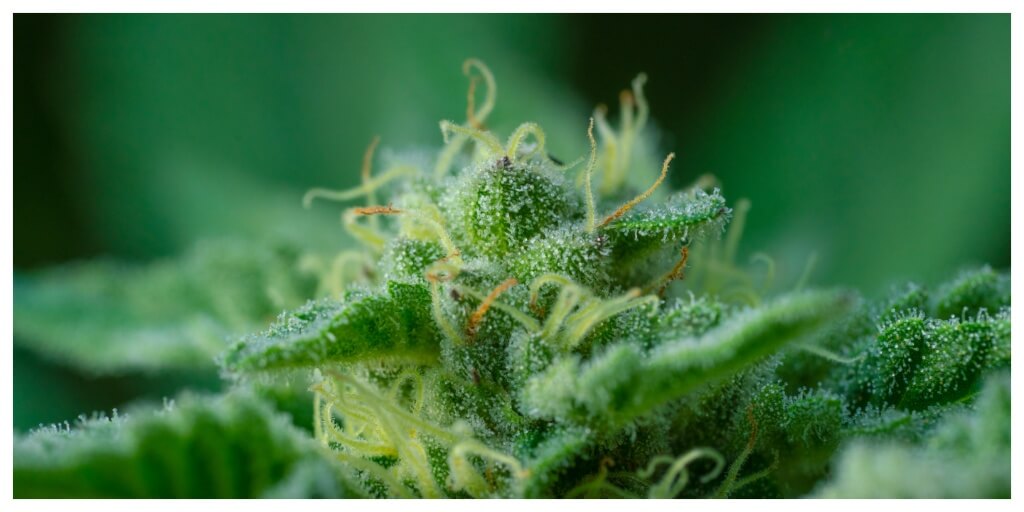
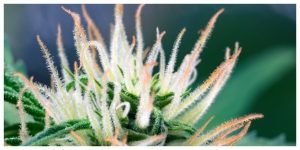
In cannabis, terpenes are produced in the trichomes, the tiny resin glands that coat the flower. These same trichomes also contain cannabinoids, which is why terpene-rich buds often look frosty, smell expressive, and feel more complex overall.
Their main role is to create the plant’s aroma and flavor profile. That is why two strains with similar cannabinoid content can still smell and feel completely different. One may lean citrusy and vibrant, while another comes across as woody, floral, or spicy.
Put simply, if cannabinoids are a big part of the strength profile, terpenes are a big part of the personality.
What Do Terpenes Do in Cannabis?
The most obvious thing terpenes do is shape the aroma and taste of cannabis. Without them, flower would feel much flatter and less distinctive. They are responsible for the details that people often remember most: the sour edge, the fruity sweetness, the gassy note, the herbal finish.
But terpenes are discussed for more than flavor alone.
Many consumers and researchers believe terpenes may also influence the overall cannabis experience when combined with cannabinoids like THC and CBD. This is why two strains with similar THC levels do not always produce the same perceived effect. The terpene profile can change how a strain feels in real-world use.
This leads to the idea of the entourage effect, a term used to describe the way cannabis compounds may work together rather than in isolation. It is not about one magic terpene creating one exact outcome. It is more about the full chemical profile shaping the experience as a whole.
That is why experienced consumers often shop by aroma profile and terpene content, not just by cannabinoid percentages.
The Most Common Cannabis Terpenes
Some terpenes appear again and again in popular cannabis strains. Learning the basics can make it much easier to understand what you are smelling and what kind of profile you tend to enjoy.
Myrcene
Myrcene is one of the most common cannabis terpenes. It is often described as earthy, musky, herbal, and slightly fruity.
It is frequently associated with strains that people describe as heavier, richer, or more relaxing in character. A classic example often linked to myrcene-rich profiles is OG Kush, while many earthy or fruit-forward flowers also show strong myrcene influence.
Other myrcene-rich options are often found in strains with a deeper, more grounded aroma profile, especially those leaning earthy, sweet, or old-school.
Limonene
Limonene is easy to recognize because it carries a bright citrus aroma. Think lemon peel, orange zest, and sharp freshness.
It is often associated with strains people describe as uplifting, lively, or daytime-friendly. One of the best-known examples is Lemon Haze, which has built a reputation around bold citrus character.
If you tend to like strains that smell clean, juicy, and energetic, limonene is usually part of that appeal.
Pinene
As the name suggests, pinene brings a pine-forward, fresh forest aroma. It can also smell crisp, herbal, and slightly resinous.
It is often linked with strains that feel more clear, sharp, or balanced in character. A classic example is Jack Herer, though many piney and haze-style cultivars can carry pinene in meaningful amounts.
For consumers who dislike overly sweet or overly heavy flower, pinene-rich strains often feel cleaner and more classic.
Caryophyllene
Caryophyllene stands out because of its peppery, spicy, woody aroma. It is found in cannabis, but also in black pepper and cloves.
This terpene is especially interesting because it is often described as unique among common cannabis terpenes due to its interaction with the CB2 receptor. That makes it one of the most talked-about terpenes in cannabis education.
Popular strains associated with caryophyllene include Girl Scout Cookies and other spicy, dessert-like profiles with a peppery backbone. If a flower smells rich, warm, and slightly sharp, caryophyllene may be part of the mix.
Linalool
Linalool is best known for its floral, lavender-like aroma. It is softer and more delicate than many of the louder terpene profiles.
Consumers often connect linalool with strains that feel calm, smooth, and evening-friendly in character. It is less about intensity and more about nuance.
While not every strain is strongly floral, linalool helps explain why some flowers feel more refined, perfumed, or soothing on the nose.
How Terpenes Affect the Cannabis Experience
Terpenes change much more than smell. They help shape how a strain is perceived from the first moment you open the jar to the final impression after use.
A terpene-rich flower usually feels more:
- distinctive in flavor
- recognizable in aroma
- layered in overall character
This is why two strains can have similar THC or CBD numbers but still feel very different. One may come across as bright and social. Another may feel calm and mellow. Another may seem sharp, earthy, or mentally clear.
That does not mean terpenes alone decide the outcome. The experience is still influenced by cannabinoid content, dose, individual tolerance, and product quality. But terpenes clearly play a major role in how cannabis feels to real consumers, especially when paired with cannabinoids like THC and CBD.
How to Identify Terpenes in Cannabis
You do not need a lab coat to start understanding terpene profiles. In practice, there are three main ways consumers identify terpenes.
Lab reports and terpene analysis
The most accurate method is a lab report showing the dominant terpenes. This gives a clearer picture than strain names alone, especially because names can vary between producers.
Aroma clues
Your nose tells you a lot. Citrus usually points toward limonene. Pine and resin can suggest pinene. Pepper and spice often hint at caryophyllene. Floral notes may suggest linalool, while earthy and musky notes often point toward myrcene.
Strain descriptions
Good product descriptions can also help. A well-written strain page should not just say “strong” or “premium.” It should describe the flower’s aroma profile, flavor notes, and overall vibe in a way that reflects its terpene character.
Which Cannabis Terpenes Are Best for Different Effects?
There is no perfect one-size-fits-all answer, but consumers often look for certain terpene patterns depending on the type of experience they want.
Relaxation
For a more mellow or evening-style profile, many people gravitate toward strains rich in:
- myrcene
- linalool
- caryophyllene
These are often found in earthy, floral, spicy, or dessert-leaning cultivars.
Focus and energy
For a brighter, more daytime-friendly profile, people often look for:
These tend to show up in citrus-forward, haze-style, or piney cultivars that smell fresher and lighter.
Stress relief
For balanced, comfort-focused profiles, many consumers are drawn to combinations involving:
- caryophyllene
- linalool
- limonene
This is where the broader entourage effect conversation becomes useful. It is often the combination of compounds, not one isolated terpene, that makes a strain feel well-rounded.
Do Terpenes Matter in CBD Flower?
Yes, absolutely.
Terpenes are a big part of what makes CBD flower interesting in the first place. Without strong terpene content, many CBD strains would feel flat, generic, or forgettable. With the right terpene profile, CBD flower can still deliver a very expressive aroma, satisfying flavor, and a more nuanced overall experience.
That is why terpene-rich CBD strains are increasingly popular. Consumers are not only looking for cannabinoid content. They also want flower that smells vibrant, tastes clean, and feels true to the character of the cultivar.
For example, someone choosing between an earthy strain and a citrus-forward option is often making a terpene decision, even if they do not realize it yet.
FAQ
What are cannabis terpenes?
Cannabis terpenes are natural compounds that give cannabis its smell and flavor.
Do terpenes affect your high?
Terpenes may influence the overall cannabis experience alongside cannabinoids like THC and CBD.
Which cannabis terpenes are the most common?
Common cannabis terpenes include myrcene, limonene, pinene, caryophyllene, and linalool.
How can I tell which terpenes are in a strain?
You can check lab reports, aroma notes, and strain descriptions.
Do terpenes matter in CBD flower?
Yes. Terpenes play a major role in the aroma, flavor, and character of CBD flower.
Takeaway: The Magic of Cannabis Terpenes
Cannabis terpenes are much more than a bonus detail. They are one of the main reasons cannabis feels so varied, expressive, and personal from one strain to the next.
They help shape:
- aroma
- flavor
- strain character
- the overall feel of the experience
The more you learn about terpenes, the easier it becomes to choose flower based on what you actually enjoy rather than relying only on THC percentages or generic strain labels.
For beginners, terpenes make cannabis less confusing. For experienced consumers, they make strain selection more intentional. And for CBD flower buyers, they are often the difference between a product that feels average and one that feels genuinely memorable.
If you want to explore cannabis more intelligently, start paying attention to the terpene profile. It is one of the fastest ways to understand what makes one flower stand out from another.