CBD and herpes is a topic people often search when they want relief from pain, irritation, inflammation, or stress linked to outbreaks. Current evidence suggests CBD may help with some of those symptoms, but it does not cure herpes and does not remove the virus from the body. Clinical research on CBD for herpes is still limited, but some of the existing studies show positive results.
Herpes can be uncomfortable, frustrating, and emotionally draining. That is why people often look beyond standard wellness products and ask whether CBD for herpes symptoms is worth considering.
The most possible answer is this: CBD may have a role in symptom support, especially where discomfort, inflammation, or stress are involved. But it should be viewed as a complementary wellness option, not a replacement for medical care.
What Is Herpes?
Herpes simplex virus, or HSV, is a common lifelong viral infection. It usually appears in two main forms:
HSV-1, which is most often linked to oral herpes or cold sores
HSV-2, which is most often linked to genital herpes
Both types can affect either area, and many people have few symptoms or do not realize they have it at all. When symptoms do appear, they can include painful blisters, ulcers, tingling, itching, and recurring flare-ups.
A lot of people also notice that outbreaks seem to appear during periods of stress, illness, fatigue, or immune strain. That is one reason CBD enters the conversation in the first place.
How Could CBD Affect Herpes Symptoms?
When people ask about CBD for herpes, they are usually not asking whether CBD can erase the virus. They are asking whether it may help them feel more comfortable during flare-ups.
That question is more reasonable.
CBD interacts with the endocannabinoid system, a regulatory system involved in pain signaling, stress response, inflammation, and internal balance. Researchers are still studying this area, but current evidence suggests cannabinoids may influence pathways linked to discomfort and inflammatory response.
Can CBD Help With Inflammation?
Some people look into CBD for herpes sores because of the inflammation and irritation that can happen during an outbreak.
Research suggests CBD has anti-inflammatory properties, but that does not mean it has been proven as a herpes treatment. What it does mean is that CBD may influence inflammatory signaling in ways that could be relevant for symptom support.
That is an important distinction.
Possible role of CBD here:
supporting general inflammation balance
helping calm irritated areas
fitting into a broader symptom-management routine
It is still not the same as saying CBD treats the virus itself.
Can CBD Help With Pain or Discomfort?
Pain and sensitivity are a major reason people search for CBD oil for herpes or topical CBD for herpes.
CBD has been studied more broadly for pain-related mechanisms than for herpes specifically. Some evidence suggests cannabinoids may affect pain signaling, but results vary, and the quality of evidence is mixed depending on the condition being studied.
In practical terms, people usually look at CBD in two ways:
Topical CBD
used for targeted, localized support
chosen when the goal is direct application to a specific area
may not suit irritated or broken skin, depending on the formula
CBD oil or capsules
used when the goal is more general, whole-body support
often chosen when stress, tension, or sleep disruption are part of the issue
usually slower and less targeted than a topical
Can CBD Help With Stress-Triggered Herpes Outbreaks?
Stress is commonly reported as an outbreak trigger. Herpes itself can also create stress, which turns the whole thing into a frustrating cycle.
This is where CBD may be most relevant for some people.
CBD has been studied for its effects on anxiety, stress regulation, and mood-related processes, although evidence is still evolving and depends heavily on dose, product quality, and the person using it.
So when people say CBD helps them with herpes, what they may actually mean is:
they feel calmer
they sleep better
they feel less overwhelmed during a flare-up
they are better able to manage the overall discomfort
That is very different from claiming CBD prevents herpes itself.
Select options
This product has multiple variants. The options may be chosen on the product page
Does CBD Kill the Herpes Virus?
No. CBD does not kill the herpes virus, and there is no reliable clinical evidence showing that CBD cures HSV-1 or HSV-2. Current herpes guidance focuses on management, not cure, and standard medical treatment remains centered on antiviral care and professional evaluation where needed.
This is the section where a lot of low-quality content gets it wrong.
Herpes is treatable but not curable. CBD may be explored as part of symptom support, but it should not be presented as an antiviral cure or a substitute for proper diagnosis and treatment.
What Does Research Say About CBD For Herpes?
This is where caution matters most.
There is very limited direct clinical research on CBD specifically for herpes symptoms in humans. Some reviews discuss cannabinoids in the context of viral infection, inflammation, immune response, or pain, but that is not the same as proving CBD works for herpes outbreaks in real-world patients.
What current evidence supports:
cannabinoids may influence inflammation pathways
cannabinoids may interact with pain-related pathways
CBD may help with stress or discomfort in some contexts
more human research is needed before strong claims can be made
What current evidence does not support:
CBD cures herpes
CBD replaces antiviral treatment
CBD prevents transmission
CBD guarantees fewer outbreaks
Frankly, that is the most accurate way to frame the topic.
How to Use CBD for Herpes Symptoms Safely
If someone wants to try CBD for herpes symptom support, the safest approach is to keep it simple and cautious.
1. Choose a high-quality CBD product
Look for:
third-party lab testing
clear ingredient list
transparent CBD strength
no exaggerated medical claims
2. Decide on the format
A CBD topical may make more sense for localized discomfort.
A CBD oil or capsule may make more sense if stress support is the main goal.
3. Start low
Begin with a low amount and assess tolerance. More is not always better.
4. Monitor how your body responds
Pay attention to:
skin sensitivity
digestive effects
drowsiness
whether it actually helps the specific symptom you care about
5. Speak to a healthcare professional
This matters especially if:
symptoms are severe
outbreaks are frequent
you are pregnant
you take prescription medication
you are unsure whether the lesion is actually herpes
CBD can interact with medications, and medical evaluation is important when symptoms are persistent or unclear.
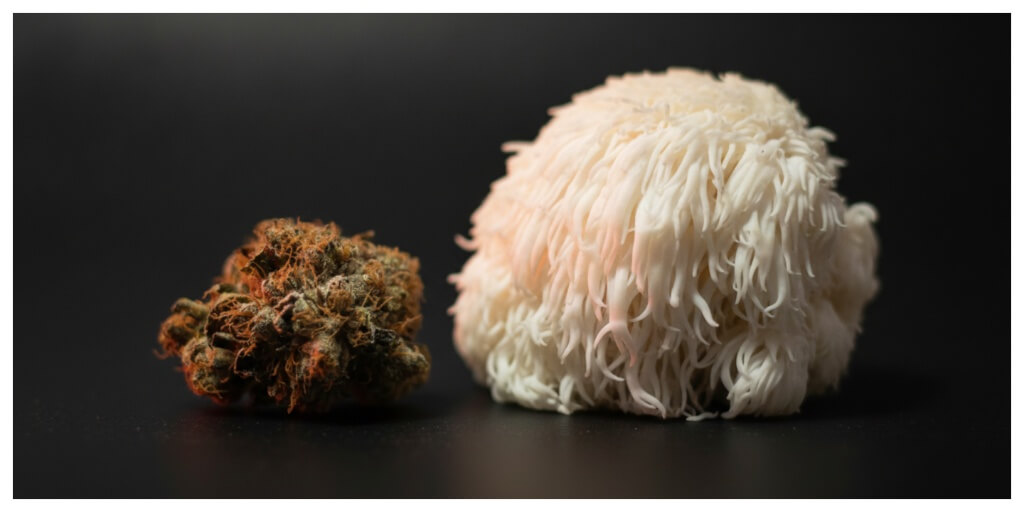
Alongside CBD, some people also explore broader wellness options like functional mushrooms. Varieties such as reishi, lion’s mane, and cordyceps are commonly associated with immune system support and stress resilience, which can be relevant since herpes outbreaks are often linked to factors like fatigue, stress, and immune strain.
Just like with CBD for herpes, there is not much research concluded specifically in relation to herpes, but functional mushrooms are known to help support overall immune balance through compounds like beta-glucans. When struggling with herpes outbreaks, they can add support to a general wellness routine by boosting your immune response alongside CBD for lowering stress levels.
43.00 €Original price was: 43.00 €.34.00 €Current price is: 34.00 €.21% OffAdd to basket
What Type of CBD Product May Be Best?
Here is the practical version.
CBD topicals
best for: localized use
possible benefit: targeted application
note: avoid applying anything irritating to broken or highly sensitive skin unless a clinician advises otherwise
CBD oils
best for: broader stress support
possible benefit: more systemic effect
note: onset and response vary
CBD capsules
best for: routine and consistency
possible benefit: easy daily format
note: slower onset than some other formats
The right option depends less on trends and more on what symptom you are actually trying to manage.
Are There Risks or Side Effects?
Yes. Even though CBD is widely marketed as gentle, it is not risk-free.
Reported concerns can include:
sleepiness or reduced alertness
digestive upset
changes in appetite or mood
drug interactions
possible liver-related concerns at certain doses or with certain medications
Topicals can also cause irritation depending on the ingredients used.
That is why the safest message is not “CBD is harmless.” It is: CBD may help some people, but it should still be used carefully.
Is CBD Legal for Medical Use?
CBD laws vary by country and sometimes by product type.
A product may be legal as a hemp-derived wellness product in one place and restricted in another, especially if:
THC is present
medical claims are made
product testing is weak
labeling does not meet local rules
That is why it is always worth checking local CBD laws, THC limits, and product compliance standards before buying.
FAQ: CBD For Herpes
Can CBD stop herpes outbreaks?
There is no strong clinical evidence that CBD stops herpes outbreaks. It may help some people manage stress or discomfort, but it is not a proven outbreak prevention tool.
How fast does CBD work for herpes symptoms?
That depends on the format. Topicals are used for local application, while oils and capsules may take longer. Response varies a lot from person to person.
Can I apply CBD directly to herpes sores?
You should be cautious. A topical product may irritate broken or very sensitive skin, especially if it contains fragrances or active botanicals. Medical advice is sensible here.
Is CBD better than antiviral medication for herpes?
No evidence shows CBD is better than standard antiviral care. CBD should not be framed as a replacement for prescribed treatment.
Can CBD prevent herpes transmission?
No. There is no reliable evidence that CBD prevents herpes transmission. Safer sex guidance and medical advice remain essential.
Hemp is cannabis – but the distinction between hemp and other cannabis varieties can get surprisingly complicated. Learn how THC, CBD, genetics, cultivation, uses and legislation shape the difference between cannabis and hemp.
CBG and lion’s mane are both used in focus supplements, but they work differently. Compare their potential uses, limitations, side effects and suitability for ADHD routines.
Think you don’t fit the stoner stereotype? Give it five minutes. From joint purists and dab scientists to edible gamblers, festival stoners and people who mysteriously own 17 grinders, these are the 27 cannabis personalities every group somehow has.