Two strains labeled “sativa” can feel completely different. The same strain can affect two people in opposite ways.
Understanding strain genetics means looking beyond marketing terms and learning what actually influences how a product feels. Once you know what to look for, choosing becomes clearer, more intentional, and less guesswork.
Let’s break down what indica, sativa, and hybrid really mean and where those definitions start to blur.
What Is Indica vs Sativa vs Hybrid?
At the most basic level, these terms refer to plant genetics and physical traits. Over time, they also became shorthand for expected effects. The problem? Modern cannabis has been crossbred for decades, making the lines less clear than they once were.
What Is Indica?
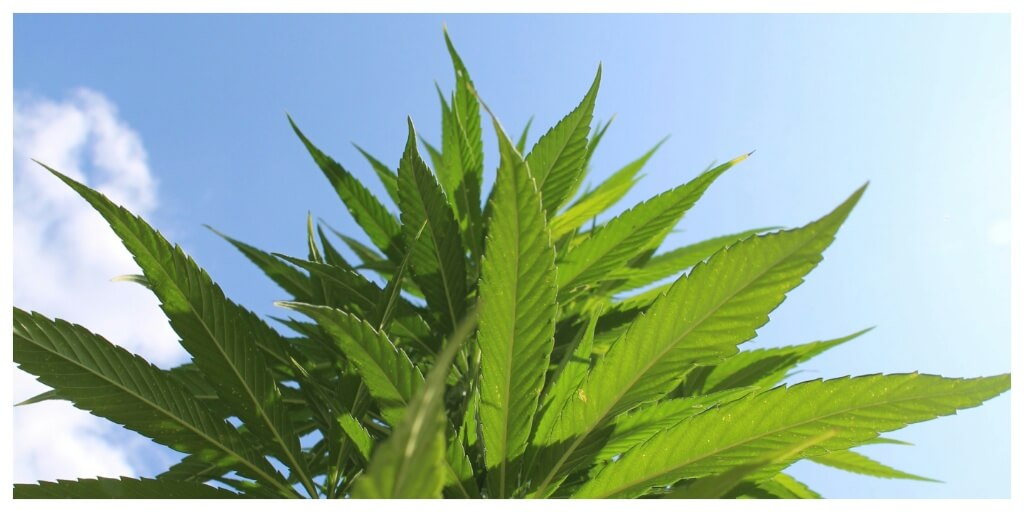
Traditionally, indica plants are shorter, bushier, and have broader leaves. They originated in harsher, mountainous regions, which influenced their compact structure and faster flowering time.
In consumer culture, indica is commonly associated with:
Deep physical relaxation
A heavier, body-centered sensation
Evening or nighttime use
Many people reach for indica strains when they want to unwind at the end of the day or settle into a slower pace. Terms like “couch-lock” are often linked to strong indica varieties, though this effect depends heavily on potency and terpene content.
What Is Sativa?
Sativa plants are typically taller, with narrower leaves and longer flowering cycles. They developed in warmer climates closer to the equator, which shaped their lighter, more elongated structure.
Consumers often associate sativa with creativity, social settings, or productivity. However, just like indica, these effects are tendencies, not guarantees.
What Is a Hybrid Strain?
A hybrid strain is created by crossing indica and sativa genetics. Today, most cannabis on the market is technically hybrid, even if it leans strongly in one direction.
Hybrids are often described as:
Indica-dominant (more relaxing characteristics)
Sativa-dominant (more uplifting characteristics)
Balanced 50/50 crosses
Because breeders have spent decades combining traits, pure indica or pure sativa strains are increasingly rare. Hybrids allow growers to target specific terpene profiles, cannabinoid ratios, and growth patterns, which ultimately shape how a strain feels more than its label alone.
Indica vs Sativa Effects: Is There Really a Difference?
The classic comparison is simple: indica equals body high, sativa equals head high. But reality is more nuanced.
Body High vs Head High Explained
A body high is typically described as physical heaviness, muscle relaxation, or a grounded sensation. A head high is often linked to mental stimulation, altered perception, or elevated mood.
This distinction became popular because many traditional indica strains contained terpene profiles that promoted relaxation, while many sativas carried more stimulating compounds. But the label itself is not what creates the effect.
The Role of THC and CBD
When people describe a strain as “strong,” they usually mean high THC content.
Higher THC levels often increase intensity
Lower THC levels tend to feel milder
CBD can moderate or soften THC’s psychoactive impact
CBD-rich strains are often experienced as smoother and less overwhelming. Balanced THC:CBD ratios can feel different from THC-dominant varieties, even when labeled the same way.
The Role of Terpenes
Terpenes are aromatic compounds found in cannabis and many other plants. They influence scent, flavor, and potentially the overall character of the experience.
Common examples include:
Myrcene – often linked to relaxing profiles
Limonene – commonly associated with uplifted moods
Pinene – connected to alert, clear-headed sensations
Two strains with similar THC levels can feel very different if their terpene profiles differ. This is why many experienced consumers look beyond “indica vs sativa” and focus on lab data instead.
Indica vs Hybrid vs Sativa: Which One Should You Choose?
Choosing the right strain is less about the category and more about your goal.
Best for Sleep
Indica or indica-dominant hybrids are often chosen for evening use. Look for:
Moderate to higher THC levels
Terpenes commonly associated with relaxation
The label can guide you, but the cannabinoid and terpene profile provides better insight.
Best for Anxiety and Stress
Many consumers prefer CBD-rich hybrids or balanced THC:CBD ratios for a calmer experience. Lower THC percentages may feel more manageable for those sensitive to intensity.
Best for Energy and Focus
Sativa or sativa-dominant hybrids are often selected for daytime use. Options with low to moderate THC levels can feel clearer and less heavy for some users.
From: 4.65 €/gSelect options
This product has multiple variants. The options may be chosen on the product page
Best for Beginners
For new consumers, starting low is key.
Choose lower THC percentages
Consider CBD flower as an entry point
Increase gradually rather than jumping to high-potency options
If you prefer a smoother, non-overwhelming experience, explore RedEyeMonkey’s curated CBD flower selection, including indica, sativa, and hybrid options, chosen for balance and everyday clarity.
Indica vs Sativa Plant Differences (Growing Perspective)
While consumers focus on effects, growers focus on structure, climate, and flowering time. The original indica and sativa categories were botanical distinctions long before they became lifestyle labels.
Physical Differences Between Indica and Sativa Plants
Traditionally, indica plants grow shorter and bushier, with broader leaves and faster flowering cycles. These traits made them practical for cooler climates and controlled indoor environments.
By contrast, sativa plants tend to grow taller with narrower leaves and longer flowering periods. They historically thrived in warmer regions with extended growing seasons.
From a cultivation standpoint, height, flowering time, and climate preference still matter. Genetically, however, most modern strains blend these traits in various proportions.
Why Most Modern Strains Are Hybrids
Decades of crossbreeding have reshaped cannabis genetics. Breeders combine strains to increase resin production, refine terpene expression, adjust flowering speed, and influence cannabinoid ratios.
As a result, truly “pure” indicas or sativas are rare in commercial markets. Most products today are hybrids, even when labeled one way for simplicity.
If you are exploring cultivation from an educational perspective, our seed selection and beginner grow guides explain how genetics influence structure and performance in greater detail.
Indica vs Hybrid vs Sativa for CBD Users
CBD users often wonder whether these categories still matter when THC levels are low.
Are CBD Indica and CBD Sativa Different?
Even in CBD-dominant flower, genetics influence terpene composition, which shapes aroma and overall character. An indica-leaning CBD strain may carry earthy, musky notes, while a sativa-leaning version might lean toward citrus or pine-forward profiles.
The experience is typically milder than THC-dominant varieties, but subtle differences in tone and clarity can still be noticeable.
Why CBD Hybrids Are Popular
CBD hybrids are often chosen for balance. Many consumers describe them as suitable for daytime clarity or evening wind-down routines without heavy intensity.
Because CBD does not produce strong psychoactive effects, terpene profile plays an even more visible role in shaping how a strain feels. Many consumers look for:
Citrus-forward profiles for daytime use
Earthy or musky notes for evening routines
Balanced hybrids for all-day versatility
Discover terpene-rich CBD buds at RedEyeMonkey designed for relaxation, balance, or daytime clarity.
Is Indica or Sativa Stronger?
The short answer is neither.
When people say a strain is “strong,” they usually mean it has higher THC content. A high-THC hybrid can feel more intense than a low-THC indica. A potent sativa can feel stronger than a mild hybrid. Strength depends on chemistry, not classification.
It is also important to separate potency from perceived effect. A strain can test high in THC yet feel smooth if its terpene profile and cannabinoid balance create a more rounded experience.
FAQ – Indica vs Hybrid vs Sativa
What is the difference between indica and sativa?
Indica and sativa originally describe plant structure and geographic origin. Indica plants are typically shorter and bushier, while sativas are taller with narrower leaves. In consumer culture, indica is often associated with relaxation and sativa with uplifted effects.
Is hybrid stronger than indica or sativa?
Hybrid does not automatically mean stronger. Strength depends on THC percentage and overall cannabinoid profile, not whether a strain is labeled indica, sativa, or hybrid.
Does indica make you sleepy?
Many indica-leaning strains are associated with relaxation, especially when they contain certain terpene profiles. However, sleepiness is not guaranteed and varies by potency, composition, and individual tolerance.
Is indica better for anxiety?
Some consumers prefer lower-THC or CBD-balanced indica-leaning strains for easing anxiety. However, individual response varies, and higher THC levels can feel intense regardless of classification.
How do I know if a strain is indica or sativa?
Check the product label, breeder information, and most importantly the lab report. Cannabinoid percentages and terpene data provide more reliable insight than the name alone.
Final Takeaway
Indica, sativa, and hybrid are useful reference points, but they are only the beginning.
The real factors shaping your experience are:
THC and CBD content
Terpene profile
Personal tolerance and setting
When you understand these variables, strain selection becomes more intentional and less dependent on oversimplified labels.
Browse RedEyeMonkey’s full cannabis accessories collection, including grinders, rolling papers, and storage solutions, to elevate your setup no matter your preferred strain type.
Cannabis has some seriously strange names. From Cat Piss and Unicorn Poop to Northern Lights, explore 30 of the funniest, weirdest and most interesting cannabis strain names and the stories behind them.
Hemp is cannabis – but the distinction between hemp and other cannabis varieties can get surprisingly complicated. Learn how THC, CBD, genetics, cultivation, uses and legislation shape the difference between cannabis and hemp.
CBG and lion’s mane are both used in focus supplements, but they work differently. Compare their potential uses, limitations, side effects and suitability for ADHD routines.