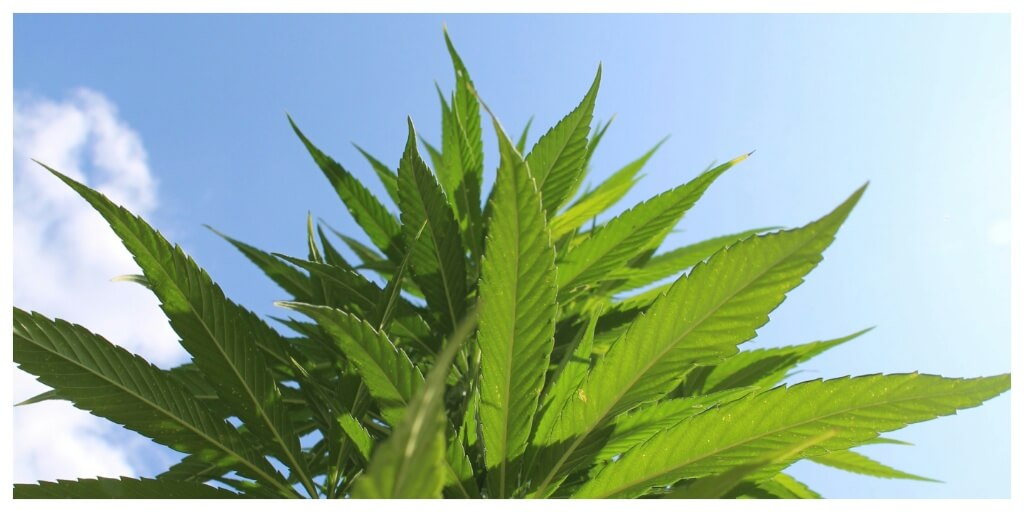
It’s soil under fingernails. It’s late-night conversations that go a little too deep. It’s reggae basslines shaking a room, jazz solos stretching time, and a home grower quietly checking the same leaf for the fifth time that morning like it might finally answer back.
It’s also business, design, science, politics, wellness… and a whole lot of ritual.
Few plants have travelled through so many worlds. Cannabis has been grown for fibre, folded into spiritual traditions, banned, celebrated, commercialised, and reinvented again and again. Depending on who you ask, it can mean freedom, craft, rebellion, medicine, or just a familiar evening routine with friends.
That’s what makes cannabis culture so hard to pin down.
It’s more like a living collage of people, stories and ideas growing around a single plant.
From: 1.00 €/gSelect options
This product has multiple variants. The options may be chosen on the product page
What Is Cannabis Culture?
At its simplest, cannabis culture is everything people build around cannabis: the language, the rituals, the tools, the art, the knowledge, the inside jokes.
On the surface, it’s easy to recognise:
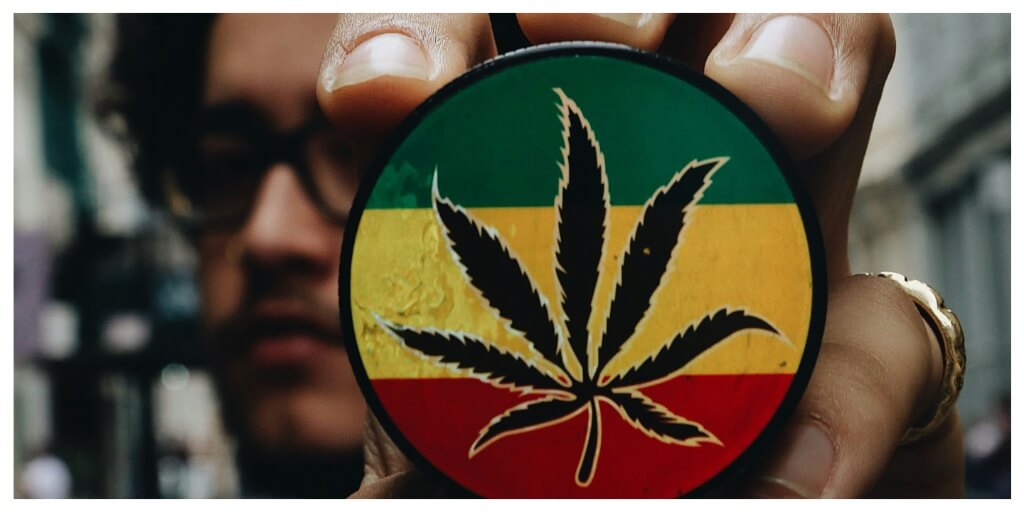
the leaf icon
4/20 references
rolling papers and smoke circles
reggae records and stoner comedies
festival nights that blur into morning
But that’s just the front door.
Step inside and it gets much more layered.
There’s the grower culture – people talking about soil like chefs talk about ingredients. There’s the science crowd, obsessed with cannabinoids, terpenes and plant genetics. There’s the political side, shaped by decades of prohibition, activism and reform.
And then there’s the everyday cannabis lifestyle.
One person connects cannabis to live music and weekends. Another uses CBD as part of a wind-down routine. Someone uses it as a doorway to other worlds and another can explain vaporizer heating systems in a way that sounds suspiciously like engineering.
Cannabis culture is always shifting, absorbing new generations, new laws, new technology, without fully letting go of what came before.
The Origins of Cannabis Use
Long before dispensaries, branding, or even the word “culture” being attached to it, cannabis was just… a plant people used.
It likely originated in Asia, where it was cultivated for fibre, seed and practical use. Hemp made rope, textiles, paper. Seeds provided food and oil. It was useful first, symbolic later.
Over time, things layered on top.
In India, cannabis became part of spiritual and cultural traditions, including preparations like bhang and associations with festivals and deities such as Shiva. In other regions, it moved through trade routes, adapted to new climates, and picked up new meanings along the way.
The Scythians were described using it in ritual contexts. Hemp spread through Europe as a workhorse crop, used for sails, ropes, clothing, everything that kept early economies moving.
Different places. Different uses. Different meanings.
But one pattern keeps repeating:
Cannabis always sits somewhere between the practical and the symbolic.
It’s useful… until it becomes meaningful. Or meaningful… because it’s useful.
Even now, modern cannabis culture still builds rituals around it, just with different tools and in different ways.
Growing Cannabis
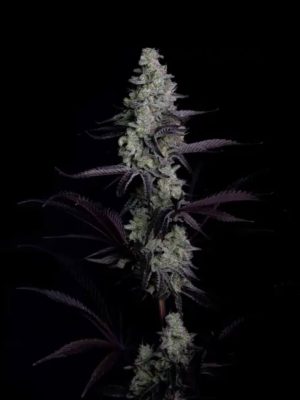
Before the branding, before the strain names, before the culture… there’s a plant in the ground.
And growers know: that’s where the real story begins.
Cannabis cultivation is part science, part patience, part obsession.
It’s:
weather forecasts checked like lifelines
soil mixed and remixed like recipes
light cycles tracked down to the hour
airflow, humidity, temperature constantly negotiated
Indoor – full control, precision, year-round cultivation
Greenhouse – a hybrid of both, balancing light and protection
Each has its own philosophy, its own defenders, its own debates.
Outdoor growers talk about tradition and the full power of nature, indoor growers talk about consistency and optimization. Greenhouse growers talk about balance,and sometimes stress.
But the real shift in modern cultivation isn’t just where cannabis is grown.
It’s how people think about growing.
There’s a growing movement toward:
living soil systems
regenerative agriculture
reduced chemical inputs
smarter water and energy use
In other words: treating cannabis less like a product line, and more like an ecosystem.
Suddenly, growers aren’t just producers, they are craftspeople.
Like winemakers. Like coffee farmers. Like anyone whose work starts long before the customer ever sees it.
If cultivation is the hands-on craft, genetics are the blueprint underneath it all.
Cannabis didn’t start as “strains” on a menu. It started as regional plants adapting to their environments over generations.
These are often called landraces: naturally evolved varieties shaped by climate, geography and time.
Then humans got more involved, seeds travelled, plants were crossed and traits were combined. Slowly, cannabis genetics became a creative field of its own.
Today, breeders might spend years chasing a single expression:
structure
aroma
resin production
flowering time
resilience
cannabinoid profile
It’s selective breeding… but also a kind of long-term storytelling.
And then there are the names.
Let’s be honest: strain names sometimes feel like someone opened a dictionary, a dessert menu and a sci-fi novel at the same time.
But behind the chaos, there’s real work happening.
Enter terpenes
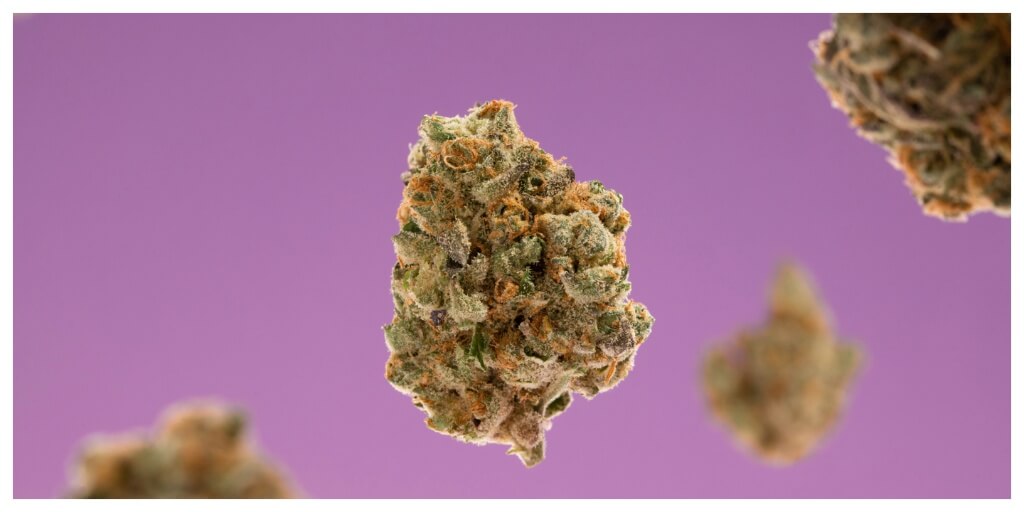
These are the aromatic compounds that shape how cannabis smells and tastes:
citrus peel
pine forest
berries
fuel
herbs
spice
earth
They exist in many plants, but in cannabis culture they’ve become a language of their own.
People don’t just ask how strong is it? anymore.
They ask:
what does it smell like?
how was it cured?
what’s the terpene profile?
how does it feel as a whole experience?
That shift is what gave rise to craft cannabis.
Small batches. Careful drying. Slow curing. Attention to detail.
Not mass production, but intention that shows on the final product.
And once people start caring that much about the flower, everything around it starts to matter too.
Grinders. Storage. Papers. Vaporizers.
Even the ritual itself becomes more intentional.
This is where modern retailers like Red Eye Monkey naturally fit in. Not as “just accessories,” but as part of the experience that respects the plant.
Because once you care about the product, you start caring about how you handle it.
Cannabis and Politics
You can’t talk about cannabis culture without talking about prohibition.
For much of the 20th century, cannabis was criminalised across much of the world. Laws tightened. Enforcement increased. And an entire underground culture formed in response.
That shaped everything.
It created:
coded language
hidden communities
informal knowledge networks
and a deep sense of mistrust toward authority
The War on Drugs had a big impact on how cannabis is seen and used today. Cannabis activism is about more than just access. It’s tied to:
civil rights
medical use
criminal justice reform
social equity
Legalisation has started to shift things.
Countries like Uruguay and Canada have introduced regulated frameworks. Others have taken partial steps – medical access, decriminalisation, social clubs.
But there’s no single global model.
Just a patchwork of rules, contradictions and ongoing debates.
And with legalisation comes a new tension:
Old-school culture vs regulated industry.
freedom vs compliance
underground knowledge vs corporate structure
community vs commercialisation
Cannabis is legal in more places than ever… but the story is still unfolding.
Cannabis in Music
If cannabis culture had a soundtrack, it wouldn’t be one genre.
It would be a mix tape that never ends.
Jazz was one of the early spaces where cannabis quietly became part of the atmosphere – late nights, improvisation, creative risk, underground clubs.
Then came reggae, where cannabis took on spiritual meaning through Rastafari culture. Not just carefree, but ritual, identity, resistance.
Then hip-hop.
By the 90s, cannabis wasn’t just referenced, it was part of the language. Strains, sessions, smoke breaks, lifestyle branding.
Different regions shaped it differently:
West Coast: laid-back, sun-soaked production
East Coast: lyrical, gritty storytelling
South: party energy, heavy bass
modern era: full-on cannabis entrepreneurship
And festivals? That’s where it all collides.
Music, fashion, food, art, smoke, sound.
A temporary city built around shared experience.
Because music and cannabis culture do the same thing in different ways:
They change how time feels.
Cannabis in Cinema
For a long time, cannabis in film was a punchline.
The confused character. The lost car. The endless snack run. The same joke, repeated in different outfits..
Eventually, stoner comedies became cult classics, but they also locked in stereotypes.
More recently, representation has expanded.
Now you see:
growers
patients
entrepreneurs
parents
professionals
everyday users
Cannabis is no longer the joke.
It’s just part of the story.
Streaming helped that shift. So did documentaries. So did changing laws.
Now cannabis can appear in a cooking show, a crime drama, or a business series without taking over the entire narrative.
Because the culture itself has become more normalised.
And more complex.
Cannabis & Wellness
This part needs nuance.
Cannabis and CBD are not magic solutions. People respond differently. Laws differ. Context matters.
But wellness has undeniably become part of modern cannabis culture.
For many people, it’s less about intensity and more about rhythm.
Evening routines. Wind-down rituals. Small moments of pause.
Things like:
making tea
dimming lights
putting the phone away
listening to music
journalling
or just staring out the window
and using CBD oils as part of a routine
Nothing dramatic, but a lot more intentional.
And that’s the shift.
Modern cannabis wellness is less about escape and more about presence.
Less about “more” and more about “enough.”
CBD in particular has opened the door for people who don’t identify with traditional cannabis culture at all, but still want something calming, non-intoxicating, and routine-based.
At Red Eye Monkey, that’s where CBD products naturally sit: as a way for people to unlock the magic of cannabis for themselves.
Select options
This product has multiple variants. The options may be chosen on the product page
The Future of Cannabis Culture
Now these are all predictions, but the future of cannabis culture will most possibly be shaped by technical developments already beginning to influence cultivation, retail and consumer behaviour.
Smarter growing and specialised genetics
AI-assisted breeding could help breeders compare large amounts of genetic and cultivation data more efficiently. Instead of relying only on repeated trial and error, they may be able to identify promising traits earlier – such as stronger terpene profiles, shorter flowering periods, improved resistance to mould or better performance in specific climates.
This will likely produce more specialised genetics designed for particular growing conditions, flavour profiles and consumer preferences.
Basically cannabis as we know now, but even better.
Growth of micro-cultivation and craft cannabis
Optimization will not eliminate craft production. It may make small-batch cultivation more competitive.
Micro-cultivators will be able to focus on unusual genetics, living soil, careful curing and limited harvests that larger producers may not find commercially practical. This could make craft cannabis resemble specialty coffee, natural wine or independent brewing, where origin and production methods matter as much as the final product.
Consumers will increasingly want to know who grew a product, how it was cultivated and what makes the batch different. Here is where cannabis culture will probably get even more defined, shifting the perspective of this world from ‘lazy stoners’ to hard workers and masters of a craft.
Cannabis tourism and hospitality
As regulations develop, more destinations may introduce cannabis shops, cafes, social clubs, and who knows, maybe even guided tastings and educational cultivation experiences.
The strongest destinations could treat cannabis tourism with the same level of organisation currently associated with wine regions and craft breweries.
More intentional consumption
Consumers are likely to become more selective about dosage, format and occasion.
Instead of choosing products only according to strength, people may pay more attention to cannabinoid ratios, terpene profiles, flavour, efficiency and the length of the experience. Lower-dose products, CBD options and precisely measured formats should become more prominent as the market expands beyond traditional cannabis users.
The focus will gradually shift from consuming more to consuming with intent.
Accessories will become more refined
Vaporizers, grinders, storage containers and preparation tools will continue moving beyond basic utility, upgrading function and looks.
Vaporizers will offer better temperature control and more efficient extraction. Storage products will improve humidity, freshness and odour management. Grinders and trays will increasingly be designed as objects with aesthetic value that people are comfortable displaying rather than hiding away.
Imagine a perfect blend of practicality and aesthetics.
9.00 €Original price was: 9.00 €.7.65 €Current price is: 7.65 €.15% OffAdd to basket
Final Thoughts
Cannabis culture has developed far beyond a single product, habit or stereotype. It includes centuries of agricultural knowledge, spiritual traditions, political activism, music, film, genetics, wellness practices and modern commercial innovation.
As legalization expands and technology advances, the culture will continue to change. New cultivation methods, product formats and consumer groups will emerge, while older traditions such as home growing, shared rituals and craft production will remain influential.
What connects these different parts is a lasting interest in the plant and the communities built around it. Cannabis culture continues to evolve, but its foundations remain the same: community, peace and freedom.
Cannabis has some seriously strange names. From Cat Piss and Unicorn Poop to Northern Lights, explore 30 of the funniest, weirdest and most interesting cannabis strain names and the stories behind them.
Hemp is cannabis – but the distinction between hemp and other cannabis varieties can get surprisingly complicated. Learn how THC, CBD, genetics, cultivation, uses and legislation shape the difference between cannabis and hemp.
CBG and lion’s mane are both used in focus supplements, but they work differently. Compare their potential uses, limitations, side effects and suitability for ADHD routines.