There’s more than one way to smoke, and not all of them involve tobacco.
Whether you’re trying to cut out nicotine, looking for something smoother, or simply curious about what herbs can offer, herbal smoking blends give you a different kind of choice. They’re natural, often nicotine-free, and designed for people who still enjoy the ritual, just without the chemicals or harshness of traditional tobacco.
In this guide, we’ll walk you through what herbal smoking blends are, the most common herbs used, what they do and how to choose the right mix for your personal needs.
Let’s break it down.
What Are Tobacco Alternatives And Herbal Smoking Blends?
Tobacco Alternatives
Tobacco alternatives are for people who are trying to quit or cut down on their nicotine use, and for those who are looking for a smoking ritual without reaching for tobacco. Whatever your reason might be, there are now more choices than ever.
These options generally fall into two broad categories: nicotine-containing alternatives and nicotine-free substitutes.
Nicotine-containing alternatives are often used by adult smokers who want to reduce harm compared to cigarettes, but are not ready to quit nicotine entirely. These products deliver nicotine without burning tobacco, which significantly reduces exposure to many harmful combustion byproducts.
Common examples include:
Heated tobacco products and e‑vapor (vapes), which heat tobacco or liquids instead of burning them
Nicotine pouches and snus, placed between the cheek and gum to release nicotine without smoke or vapor
Nicotine patches, adhesive patches worn on the skin that release a measured dose of nicotine into the bloodstream over time
While these options are not risk-free and still contain addictive nicotine, they are widely considered a lower-risk choice compared to continued cigarette smoking.
On the other end of the spectrum are nicotine-free alternatives, chosen by people who want to remove nicotine completely while keeping some form of ritual.
These include:
Herbal cigarettes and herbal smoking blends, made from non-tobacco plants
Cannabis-based alternatives, such as CBD-rich or low-THC flowers, often used in joints instead of tobacco
These options eliminate nicotine but still involve combustion, which means they are not risk-free and should be approached with moderation and awareness.
In short, tobacco alternatives exist because people have different goals. Some are reducing harm, some are quitting nicotine. Others are simply choosing a different way to engage with the ritual, one that feels more intentional and better aligned with their preferences.
Herbal Smoking Blends
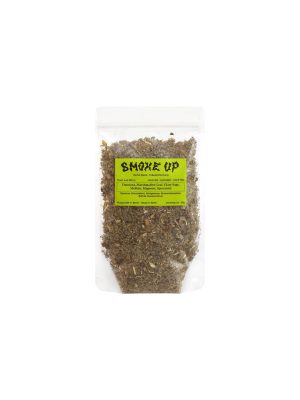
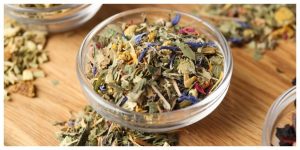
At the center of these options are herbal smoking blends: mixtures of dried, non-tobacco plants designed to be smoked as a replacement for traditional tobacco products. These blends recreate the physical ritual of smoking without relying on nicotine or additives.
Most herbal blends are made from three types of herbs:
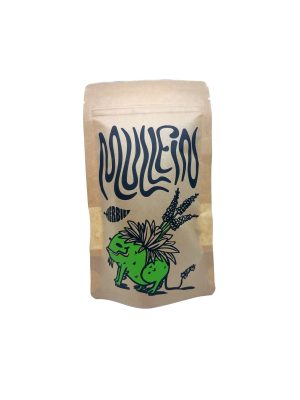
Base herbs like mullein, marshmallow leaf, or damiana create structure, volume, and a smooth burn.
Supportive herbs such as catnip, hyssop, or white horehound can contribute subtle effects, often chosen for their calming or respiratory qualities.
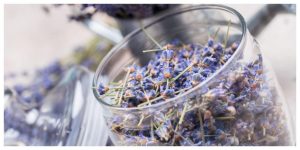
Aromatic herbs like lavender, rose petals, or lemon balm adding to the experience with their flavor characteristics
In the case of herbal smoking blends, the focus is on keeping the ritual while changing the ingredients. No tobacco, no nicotine, but still a smoke that fits a different kind of preference.
Long before cigarettes, people in many cultures burned plants during ceremonies, for healing, or just to relax. Archaeological records show that for thousands of years, humans used smoke from herbs as part of daily and spiritual life.
Today, people smoke herbal blends for many reasons, including:
Nicotine-free smoking habits Herbal blends don’t contain nicotine, which makes them useful for people who want to keep the hand-to-mouth ritual without feeding a chemical dependence.
Relaxation and stress relief Herbs like catnip, damiana, and passionflower are often chosen for their calming properties.
Respiratory support (traditional use) Mullein, coltsfoot, and horehound have been used in traditional remedies to support breathing, especially when blended lightly.
Spiritual or ceremonial use Smoking herbs is part of many cultural practices, including Native American ceremonies and Ayurvedic Dhumapana in India.
Mood, sleep, and dreaming Mugwort is commonly used for dream enhancement and is sometimes smoked before sleep to promote vivid dreaming.
Flavor and aroma Blends can be customized for taste and scent: with herbs like lavender, rose, sage, or peppermint making the experience more enjoyable.
Are herbal blends risk-free? No. Any time you inhale burned plant material, you’re still taking in smoke, carbon monoxide, and tar, just without the tobacco and nicotine. That’s why herbal blends are best used occasionally, or as part of a broader move toward quitting altogether.
But if you’re looking for something non-addictive, customizable, and rooted in real tradition, herbal smoking blends are a valid place to start.
Common Herbs Used in Herbal Smoking Blends
Herbal smoking blends rely on the right mix of ingredients. Not just for taste, but for how they burn and feel. While some herbs are added for aroma or subtle effects, others serve as the structural base that holds the whole blend together.
Below are some of the most common herbs used in high-quality herbal smoking blends. Each one plays a different role, from smooth-burning base to flavor enhancer.
Traditionally used in rituals and dream work across many cultures.
Earthy, slightly bitter taste
Believed to enhance dream clarity when used before sleep
Works best at 15–25% of a blend
Too much mugwort can be overwhelming, but when used correctly, it adds depth.
Rose Petals (Aromatic Herb)
Soft and floral with a slightly sweet edge.
Adds visual beauty and gentle aroma
Burns slowly and evenly
Works well at 10–15%
Rose pairs beautifully with lavender, damiana, or marshmallow leaf for a smoother, more romantic blend.
Looking for a mix that includes your favorite? Check out our range of herbal smoking blends, crafted for different moods, flavors, and rituals.
Why People Choose Herbal Smoking Blends Over Tobacco
Herbal smoking blends aren’t just for people trying to quit tobacco. Some are, of course, but many just want a smoother, more natural option that doesn’t leave them feeling wired or heavy afterward. You still get the same pause, the same habit , just without the strong hit or chemical aftertaste.
What you’re smoking becomes a choice, not a compromise.
Flavor and Aroma Customization
Herbal blends let you choose how your smoke tastes and smells. That’s not really an option with tobacco, its flavor is intense and hard to mask.
With herbs, you can create a profile that fits your style:
Floral (lavender, rose, blue lotus)
Earthy (mullein, raspberry leaf)
Spicy or sweet (damiana, clove, peppermint)
Whether you want something light or full-bodied, you can choose a blend that works for you.
Cultural, Spiritual, and Social Use
Herbs have been smoked long before tobacco became the norm. Across cultures, people have used plants in ceremonies, gatherings, or simple moments of calm. That hasn’t disappeared.
For some, an herbal blend is just a casual alternative. For others, it’s part of a deeper personal or cultural connection. There’s no one way to use them and that’s kind of the point.
How Herbal Smoking Blends Are Used
Herbal blends are flexible and can be used in several ways. You can roll them, vape them, mix them with other herbs, or even prepare them as tea. The right method depends on what you’re using, how you want it to taste, and the kind of session you’re after.
Smoking Herbal Blends
Most people smoke herbal blends by rolling them, either on their own or mixed with other herbs like CBD flower. For a smoother, even burn, grind your herbs to a medium, fluffy texture. Too fine and they clog airflow; too coarse and the blend burns unevenly.
Use unbleached rolling papers and add a filter tip(bonus point if it’s active charcoal) it improves draw and keeps bits out of your mouth. If you’re using a vaporizer, set it to a lower temp (around 150–170°C) to release aroma without scorching the herbs.
To reduce harshness, blend with mullein or marshmallow leaf. Avoid herbs that are damp or overly powdery, because they won’t burn well and will mute the aroma.
Mixing Herbal Blends with Other Legal Herbs
Herbal blends pair well with CBD-rich hemp flower. They can mellow the intensity, stretch your material, or shift the feel entirely.
Great combinations include:
CBD flower + damiana or mugwort for a more calming session
Mullein + lavender or rose for smooth, aromatic flavor
Herbal blends + low-THC cannabis for a balanced roll
Some users mix in small amounts of tobacco, but many prefer to keep it 100% nicotine-free. Start small and adjust ratios to dial in flavor and effect.
Storage Tips for Herbal Smoking Blends
Fresh herbs burn better and taste cleaner, and good storage keeps them that way.
Glass jars with airtight lids are best
Store in a cool, dry, dark place
Use a humidity pack (58–62%) to maintain balance
Avoid plastic, direct sunlight, or scented environments
If your blend starts to feel brittle or the aroma fades, it’s time for a fresh batch.
Choosing the Right Herbal Blend
If you’re just getting into herbal smoking, the best place to start is with one simple question: what do you want out of the experience?
Here are a few common starting points, along with herbs that fit each goal.
Want to replace tobacco? Look for smooth-burning base herbs that feel light and neutral. These herbs don’t contain nicotine and help mimic the structure of a roll:
Marshmallow leaf – helps with a creamy, less dry smoke
Want to relax and take the edge off? Some herbs are naturally calming when smoked. They’re not sedatives, but they can make your session feel more mellow:
Damiana – gently uplifting, soft flavor
Lavender – floral and soothing in small amounts
Catnip – light and calming, especially when mixed with base herbs
Want better flavor and aroma? If you’re in it for the taste and smell, try herbs that are aromatic or naturally sweet:
Rose petals – soft and floral
Peppermint – cool and refreshing
Lemon balm – citrusy, smooth flavor
Curious about dream herbs or evening blends? Some people use herbs in the evening for calm or dream-related rituals according to traditional use:
Mugwort – used before bed by many for vivid dreams
Blue lotus – subtle, serene, often mixed with CBD flower
You don’t need a dozen herbs to get started. In fact, most first blends are just two ingredients:
One base herb (like mullein or raspberry leaf) for structure
One additional herb for effect or flavor (like damiana or rose)
Start with:
60–70% base herb
30–40% secondary herb
If you’re mixing with CBD flower, keep the herbal portion light, around 30–50% of your roll. Mullein and marshmallow leaf are especially good for softening and stretching CBD without dulling the flavor.
You can find herbal smoking blends and single herbs at natural shops, specialty tobacconists, or online stores like RedEyeMonkey.com, where everything is clearly labeled and selected with care.
20.00 €Original price was: 20.00 €.10.00 €Current price is: 10.00 €.50% OffAdd to basket
FAQ About Tobacco Alternatives & Herbal Smoking Blends
What are herbal smoking blends?
Herbal smoking blends are mixtures of dried, non-tobacco plants intended for smoking. They contain no nicotine and are often used as a natural alternative to tobacco or for relaxation, ritual, or flavor.
Are herbal smoking blends safe to smoke?
They’re free of nicotine and chemical additives, but like any combusted plant material, they produce smoke, tar, and irritants. Use occasionally and with awareness, they’re not risk-free.
What herbs can I smoke for anxiety?
Commonly used herbs include damiana, catnip, lavender, and passionflower. These are traditionally chosen for their calming effects, though results vary by person.
What herbs can give you a buzz?
Herbs like damiana and blue lotus are sometimes reported to produce a mild, relaxing effect, but they don’t cause intoxication and won’t get you high.
Do herbal smoking blends get you high?
No. Herbal blends don’t contain psychoactive compounds like THC unless mixed with cannabis.
What is the healthiest herb to smoke?
There’s no universally “healthy” herb to smoke. However, herbs like mullein and raspberry leaf are commonly used because they burn smoothly and are gentle on the lungs.
Can chamomile be smoked?
Yes. Dried chamomile flowers are occasionally used in smoking blends for their gentle aroma and soothing properties. It’s best used in small amounts.
What is a natural substitute for cigarettes?
A simple roll made from mullein leaf + damiana or other herbs can mimic the hand-to-mouth ritual of smoking without tobacco or nicotine.
Can you smoke rose petals?
Yes. Dried, clean rose petals are often used for their floral aroma and smooth burn. Use them in small amounts to enhance flavor.
Can you mix herbal blends with cannabis or CBD?
Yes, and it’s very common. Herbs can help stretch your material, adjust flavor, or soften the smoke of cannabis or CBD flower.
Final Thoughts on Tobacco Alternatives and Herbal Smoking Blends
If you care about ingredients but want to keep your ritual, herbal blends offer a simple and increasingly accessible alternative. Whether you use them as a tobacco alternative, a tool for relaxation or a spiritual practice, herbal smoking blends are a great way to explore the world of wellness without giving up your routines.
At Red Eye Monkey, we focus on exactly that: quality herbs, clearly labeled, with the flexibility to smoke them your way: on their own, with CBD, or as part of a ritual that feels more intentional. From smooth base herbs to thoughtfully built blends, everything we offer is made to help you smoke cleaner, not louder.
Cannabis has some seriously strange names. From Cat Piss and Unicorn Poop to Northern Lights, explore 30 of the funniest, weirdest and most interesting cannabis strain names and the stories behind them.
Hemp is cannabis – but the distinction between hemp and other cannabis varieties can get surprisingly complicated. Learn how THC, CBD, genetics, cultivation, uses and legislation shape the difference between cannabis and hemp.
CBG and lion’s mane are both used in focus supplements, but they work differently. Compare their potential uses, limitations, side effects and suitability for ADHD routines.