Just when you thought you knew cannabis, along comes a curveball. Meet tetrahydrocannabiphorol—aka THCP. Discovered only recently, this ultra-potent cannabinoid has stirred up serious curiosity, and since its been happening all around us, we might as well dive into it ourselves.
Let’s walk through what THCP is, what it does to your system, and the things no one really warns you about—but they should.
THCP: A New Heavyweight in the Cannabinoid Ring
THCP is a naturally occurring compound found in cannabis—first identified in 2019. Structurally, it’s a close cousin to THC (the better-known psychoactive all-star), but with one key difference that turns things up several notches: it has a longer alkyl side chain, making it far more potent in how it binds to your cannabinoid receptors.
To be real, most of the THCP in today’s vapes, edibles, and concentrates? Lab-crafted. While THCP exists in trace amounts naturally, getting a product with meaningful levels of it means you’re dealing with synthetic extraction or enhancement.
When you see THCP in flowers, vapes, or hash, you can bet it was added post-harvest to elevate potency. That’s not a bad thing—just something to know if you’re chasing “all-natural.”
So, What Does THCP Actually Do?
We’ve put THCP to the test, and trust us—it hits differently. Science backs that up: it bonds with the CB1 and CB2 receptors in your endocannabinoid system with way more intensity than THC does.
To put a number on it, THCP is estimated to have up to 30 times the receptor affinity of THC. That doesn’t necessarily mean 30x the high, but it does suggest a deeper and longer-lasting psychoactive punch. Translation? Expect a stronger, possibly more immersive experience—great for seasoned users, maybe a little much for newcomers.
This isn’t your entry-level chill. It can impact your mood, perception, and sense of time more dramatically than your standard THC buzz. It’s the kind of cannabinoid you approach with respect.
Can You Get Hooked?
Short answer? Yes—potentially.
Like any potent psychoactive substance, frequent or heavy use of THCP could lead to dependence, especially since it activates the same reward pathways as THC, just more intensely. The tricky part is that since it’s so new, there isn’t long-term research to draw on—but early signs suggest caution.
That said, occasional or mindful use is unlikely to create issues for most people. But if you’re the type who dives in headfirst without checking the depth—keep your wits about you.
What About Health Risks?
Here’s the thing: the more powerful the cannabinoid, the more exaggerated the side effects might be. THCP’s intensity could lead to heightened anxiety, paranoia, perceptual distortions, and general mental overload—especially in high doses.
If you’ve ever gotten “too high” on THC and felt like the walls were breathing, imagine that experience on steroids. We’re not trying to scare you—but we’ve been there, and it’s worth mentioning.
Until there’s more scientific data, it’s smart to treat THCP as a high-potency, high-risk cannabinoid. Tread lightly, especially if you’re new to cannabis or sensitive to psychoactive effects.
Will It Show Up on a Drug Test?
Bad news: probably yes. Since THCP is structurally similar to THC, standard drug screens are likely to flag it as a positive. Most employers or agencies aren’t running specialized cannabinoid panels, so they’ll lump THCP in with the usual suspects.
So if you’ve got a test coming up, don’t roll the dice.
THCP vs. THC: What’s the Difference?
On the molecular level, THC comes with a five-carbon side chain—THCP ups the ante with seven. That longer chain is why THCP bonds so effectively with the receptors that cause psychoactive effects.
This isn’t just a nerdy chemistry footnote. That little structural tweak is what gives THCP its edge in potency. Same basic molecule, longer chain, stronger bond, bigger impact.
It’s like upgrading from a slingshot to a crossbow.
THCP vs. CBD: Two Very Different Beasts
CBD (cannabidiol) lives in a completely different world. It’s non-psychoactive, meaning you can soak up its benefits—like relaxation, inflammation reduction, and focus—without the head trip.
While THCP goes all-in on CB1 and CB2 receptors, CBD interacts more broadly across other cell targets, acting more like a system modulator than a receptor bomb. So if you’re looking for a smooth, grounded experience, CBD is your move. If you’re chasing cosmic thoughts and a time-warped sense of reality—THCP delivers.
The Discovery That Changed the Game
THCP was first isolated from cannabis by researchers using chromatographic and spectrometric techniques—the type of stuff that goes way beyond your average smoke sesh. They pulled it from the glandular trichomes of the plant (where all the sticky magic happens) and traced it back to tetrahydrocannabiphorolic acid (THCPA)—its raw, acidic form.
If you’re into chemical naming deep-dives, the “phorol” in THCP actually comes from a compound called spherophorol—which is tied to the molecule’s benzene-diol structure. Nerdy? Yes. Important? Also yes—because that structure gives THCP the power it’s known for.
Can THCP Be Therapeutic?
Maybe. But here’s the catch: we don’t have enough data yet.
Early hypotheses suggest THCP could offer therapeutic value for things like:
- Pain relief
- Anxiety regulation
- Anti-inflammatory effects
But here at Red Eye Monkey, we don’t mess with speculation when it comes to health. Until there are real, peer-reviewed human studies, it’s all theoretical. What we do know is that the potency of THCP makes it more comparable to synthetic cannabinoids than your everyday THC or CBD. And that means potential risks go up too.
Compounds like CP55,940—which bind super tightly to cannabinoid receptors—have been linked to some sketchy health outcomes like lung damage. So we’re cautious not to lump THCP in with the wellness crowd just yet.
How People Are Using THCP
Despite being the new kid on the block, THCP is already showing up in all kinds of formats:
- Vapes and resins
- Edibles (like gummies and oils)
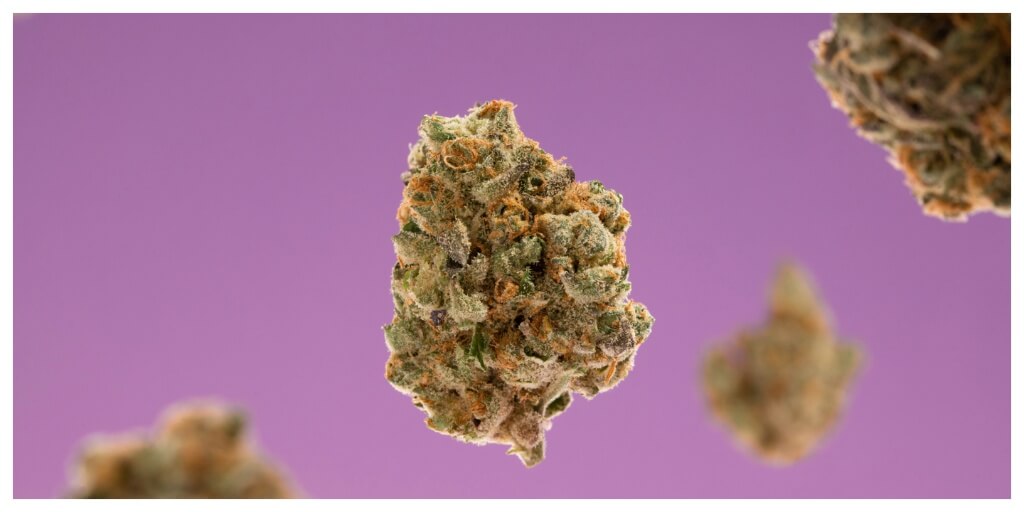
- Smokable flower (often sprayed with THCP)
- Topicals
Even though it exists naturally in cannabis, what you’re buying online or in shops is most likely synthetic THCP, added during processing to boost cannabinoid content.
Dosage? Tread Carefully
No one’s done the work to determine safe or ideal doses for THCP. We’re flying blind here, folks. Because of how potent it is—possibly magnitudes more than THC—it’s smart to start low, go slow, or maybe just sit this one out until we know more.
If you’ve ever been too high and thought, “This was a mistake”… you really don’t want to find that out with THCP.
Known Side Effects (So Far)
What we do know is mostly based on its similarity to THC:
- Dry mouth
- Red eyes
- Anxiety
- Paranoia
- Perceptual shifts
- Cognitive overload in high doses
Now layer on THCP’s extra strength, and you’ve got a recipe for more intense versions of those same effects. If THC ever made you spiral, THCP could take you deeper—and not in a good way.
How to Verify THCP Product Quality as a Consumer
Not all THCP products are created equal—and it’s up to you to check the receipts. Look for products that come with a Certificate of Analysis (COA) from an independent, third-party lab—not in-house testing. The COA should clearly show THCP content, total cannabinoid profile, and a full panel of contaminant testing (like residual solvents, heavy metals, pesticides, and microbes). Scan any QR codes on the packaging, and if a brand can’t provide these details transparently, it’s a red flag. At Red Eye Monkey, we only back products that are lab-tested, traceable, and transparent—because quality isn’t optional.
The Legal Gray Zone
Legally, THCP is walking a tightrope.
Because it’s new and not explicitly listed in many regulatory frameworks, it’s often sold in a “legal limbo”. That doesn’t mean it’s safe—or even technically legal—it just hasn’t been called out by name yet in most laws.
But like we saw with other novel cannabinoids, that’s changing fast. As governments catch on, more bans or regulations are likely to hit. So if you’re stocking up, don’t be surprised if supply dries up or gets restricted soon.