In the world of cannabis, few names carry more weight than Kush and Haze. They’re not just two popular strains, they’re entire genetic families, with roots that run deep into the plant’s evolutionary past.
If you’ve ever found yourself choosing between the body-melting calm of a Kush and the bright, cerebral lift of a Haze, you’ve already felt the divergence. But there’s far more to these varieties than just how they make you feel. Their structure, chemistry, and cultural legacy all tell a fascinating story. Knowing that story helps you choose the right experience, every time.
At Red Eye Monkey, we’ve been hands-on with both for years testing and curating. This guide brings you what we’ve learned, backed by science and refined through experience.
Origins: Geography Leaves a Genetic Mark
Kush strains trace their lineage to the Hindu Kush mountain range, spanning the borders of Afghanistan and Pakistan. In these harsh, high-altitude climates, cannabis plants evolved to survive cold nights, rocky soil, and limited daylight. The result? Stocky, resilient plants with dense buds and a short flowering cycle, with ideal traits for efficient indoor and outdoor cultivation.
Haze, meanwhile, is a product of the Californian underground breeding scene of the 1960s and ’70s, born from a mash-up of landrace genetics from Colombia, Mexico, Thailand, and South India. Where Kush is shaped by survival, Haze is shaped by selection. An attempt to preserve the spiritual, energising qualities of tropical sativas. These plants were later refined and stabilised in the Netherlands, and the modern Haze family was born.
Growth and Structure: Indica vs Sativa, Revisited
Walk into a grow room and you can spot the difference immediately.
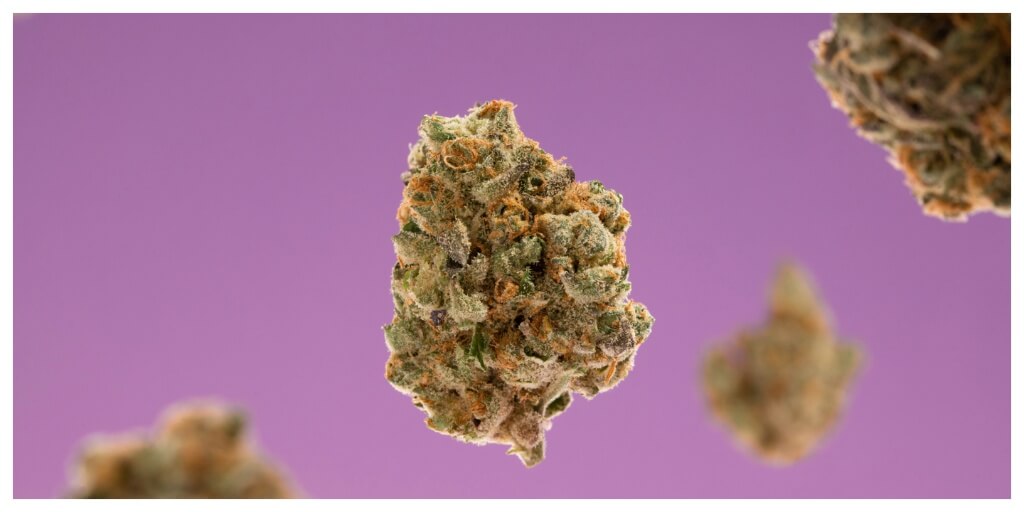
Kush plants are compact and robust, with broad, dark green leaves and short internodes. Their buds are tight, sticky, and often carry a purple tinge if exposed to cooler nights. This structure evolved to conserve energy and resist environmental stress.
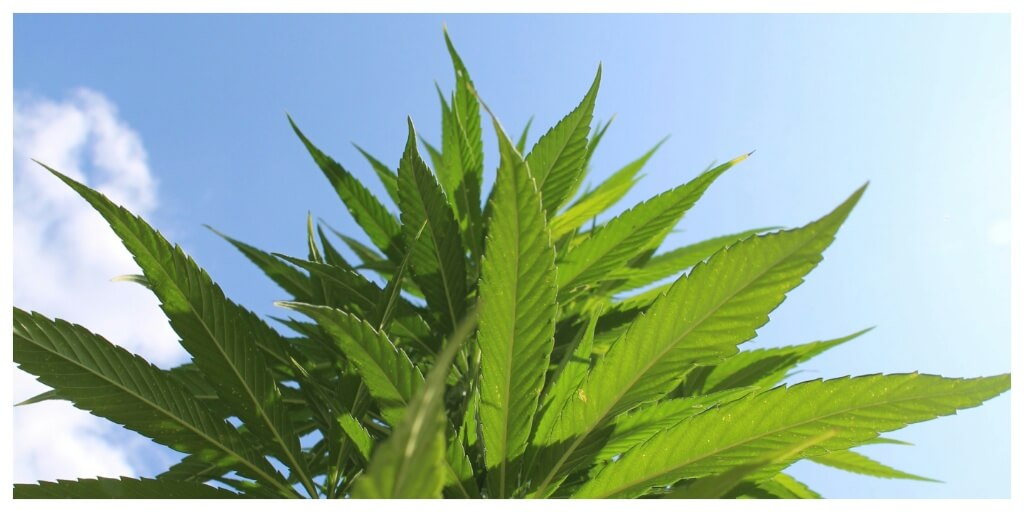
Haze plants, by contrast, are tall, open, and elegant. Their leaves are long and narrow, their buds airy and spindly. They take their time to flower, often 11 to 14 weeks, but they make up for it with larger yields and a rich terpene profile that’s hard to beat.
Botanically, these traits align with the classical indica-sativa distinction, though modern science suggests this binary is overly simplistic. Still, as a general rule of thumb, Kush = indica-dominant, Haze = sativa-dominant.
Terpenes and Aroma: Earth vs Citrus
Here’s where things get aromatic.
Kush strains tend to express terpenes like myrcene, pinene, and caryophyllene, producing a profile that’s earthy, piney, spicy…and sometimes surprisingly sweet. There’s a grounding quality to it, a sort of ancient forest energy that hits deep in the nose and lingers.
Haze strains, on the other hand, lean into limonene, terpinolene, and ocimene. Their aroma is often described as citrus zest meets fresh herbs, layered with pepper, incense, and floral brightness. It’s cleaner and sharper. Definitely more like a breeze than a blanket.
These terpene profiles don’t just dictate smell. They interact with cannabinoids in what researchers call the entourage effect, shaping the character and onset of the high itself.

Effects and Experience: Night and Day
The divergence in effects between Kush and Haze isn’t just anecdotal, it’s built into their chemistry.
Kush strains are known for their deep physical relaxation. Think of them as a mental exhale: stress dissolves, tension slips away, and sleep comes easier. They’re often chosen for:
- Easing chronic pain
- Calming anxiety
- Promoting deep rest

The high tends to come on steadily, and it grounds you, rather than lifting you up. For many medical users, Kush is a go-to for its reliable, body-first relief.
Haze strains, on the other hand, are all about cerebral elevation. They can spark creativity, motivation, and conversation, which is perfect for daytime use or any task that benefits from a clear, stimulated mind. Common effects include:
- Heightened focus
- Uplifted mood
- Increased energy
The Final Word: More Than Just a Name
Understanding the difference between Kush and Haze is like learning the difference between Bordeaux and Burgundy. It deepens your appreciation, sharpens your taste, and helps you make smarter choices.
At Red Eye Monkey, we see these two not just as strains, but as archetypes, expressions of place, chemistry, and culture. Knowing them means knowing your cannabis. And once you know your cannabis, everything changes. From how you shop to how you dose to how you elevate your daily rituals.