CBD, short for cannabidiol, is quickly becoming the go-to wellness ingredient in everything from oils and gummies to skincare and sparkling drinks. It comes from the hemp plant, just like THC, but won’t get you high. CBD works with your body’s natural systems to help support calm, balance, and recovery, and it’s entirely legal when extracted from low-THC hemp.
There’s a lot of talk around CBD, but one question keeps coming up: how is it actually made?
At Red Eye Monkey, we spend a lot of time staying deep in the weeds (pun intended) of the hemp world. Whether you’re curious about the bottle you’re holding or just want to understand the science behind the scenes, here’s a breakdown of how CBD is extracted from hemp and turned into the oil found in your favorite products.
What Is CBD and How Does It Work?
CBD and THC are two of the best-known compounds in cannabis, and while they share the same molecular formula, their effects couldn’t be more different. THC causes a high by binding to specific receptors in your endocannabinoid system (ECS), while CBD interacts more gently with that same system to help regulate things like stress, sleep, inflammation, and mood, all without the psychoactive effects.
Because hemp contains very little THC (less than 0.3% by law), CBD oil made from hemp is both non-intoxicating and federally legal in many places.
Where It All Starts: The Hemp Plant
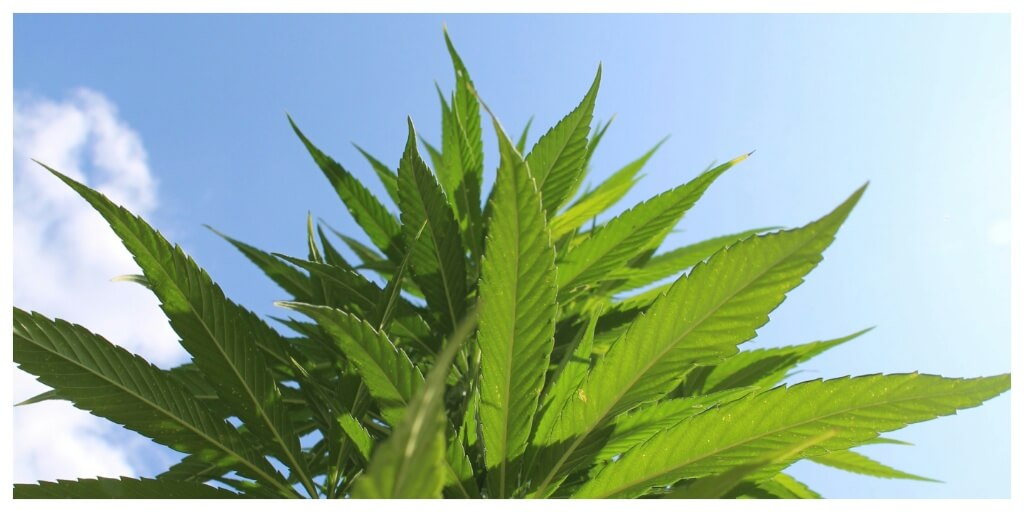
CBD extraction starts with high-quality hemp, typically from cannabis sativa L. plants that are bred to contain lots of CBD and very little THC. These plants are grown, harvested, and dried, often using methods that preserve the plant’s natural cannabinoids and terpenes.
The goal is to draw out the CBD (or other compounds) from the plant matter in a way that’s clean, efficient, and potent. There are a few ways to do that, and some are more sophisticated (and safer) than others.
The Gold Standard: CO2 Extraction
CO2 extraction is widely considered the cleanest and most precise method for getting CBD out of hemp. It uses pressurized carbon dioxide, yes, the same stuff we breathe out, to pull cannabinoids, terpenes, and other compounds from the plant material.
This method is preferred for creating high-quality CBD products because it doesn’t leave behind toxic residues and gives manufacturers a lot of control over what’s extracted.
Supercritical vs. Subcritical CO2 Extraction
There are two variations of CO2 extraction:
Subcritical
This process uses lower temperatures and pressures. It’s gentler on the plant and can help preserve more delicate compounds like terpenes. However, it usually results in a smaller yield.
Supercritical
This is the most common method in large-scale CBD production. The CO2 is heated and pressurized until it becomes supercritical, a state where it acts as both a gas and a liquid. This allows it to move through the plant material and extract oils efficiently.
Afterward, changes in pressure and temperature separate the CO2 from the extracted oil. The CO2 is reused in the system, making this an eco-friendly and cost-effective method.
Purification Step 1: Winterisation
Once the oil is extracted, especially if done via supercritical CO2, there are still unwanted elements in the mix, like fats, waxes, and lipids. That’s where winterisation comes in.
The extract is combined with pure ethanol and then frozen overnight. This freezing step causes the unwanted compounds to coagulate, making them easier to remove. The next day, the cloudy solution is filtered at low temperatures to separate out the gunk.
After filtration, the ethanol is gently evaporated off, leaving behind a cleaner CBD oil.
Purification Step 2: Short Path Distillation
Next comes short path distillation, a process that isolates and further purifies the CBD and other cannabinoids. It uses low heat and vacuum pressure to gently boil off individual compounds based on their unique boiling points.
As each compound evaporates, it travels through a series of glass tubes and condenses along the way, hence the term “short path.” This results in a highly refined and potent CBD extract.
Solvent Extraction: Fast But Messy
Another method for extracting CBD is solvent-based extraction, which involves soaking the plant material in a solvent like ethanol or butane. This pulls cannabinoids and other compounds into the solution, which is then heated to evaporate the solvent.
While it’s a cheaper and faster method, it also comes with risks, including the chance of residual solvents, lower purity, and the inclusion of chlorophyll, which can cause unpleasant taste and digestive side effects. Solvent extraction is still widely used, especially in lower-cost products, but it’s not always the cleanest choice.
Olive Oil Extraction: A DIY Favorite
One of the oldest and most accessible ways to extract CBD is with olive oil. It’s a popular method for people making CBD at home since it doesn’t involve any dangerous chemicals.
Here’s how it typically works:
- The hemp is decarboxylated (heated) to activate the cannabinoids.
- It’s then mixed with olive oil and gently heated again to infuse the oil with CBD.
While this method is safe and simple, it results in a low-potency extract and the final product has a shorter shelf life than CBD extracted with more advanced methods.
Dry Ice Extraction: No Solvents, Minimal Gear
Dry ice extraction is another solvent-free method that can be done at home. It’s a way to extract CBD-rich trichomes by freezing the plant material with dry ice and then shaking it through mesh filters.
The process doesn’t require chemicals and yields a relatively clean extract, but it’s harder to control quality and consistency. That said, for DIYers who want something cleaner than solvents and safer than olive oil infusions, dry ice is a viable option.
Final Step: Testing for Purity and Potency
Once CBD oil is extracted and refined, it should be tested, period. Reputable manufacturers send their CBD products to third-party labs to confirm cannabinoid levels, check for residual solvents, and screen for contaminants like heavy metals or pesticides.
This step is crucial for consumer safety and product transparency. At Red Eye Monkey, we only carry and recommend products that meet high testing standards, so you know exactly what’s going into your body.
Why Extraction Method Matters When Choosing CBD Products
With so many CBD products on the market, it’s easy to assume they’re all the same, but how the CBD is extracted can make a huge difference in quality, safety, and effectiveness.
Each method leaves its mark on the final product. For example, CO2-extracted CBD is often more expensive, but for good reason. It’s cleaner, more potent, and doesn’t involve chemical solvents that could end up in your oil. When we evaluate products at Red Eye Monkey, CO2-extraction is usually one of the first green flags we look for.
On the flip side, solvent-extracted CBD might be cheaper, but it comes with more risks. Residual solvents, chlorophyll content, and inconsistent cannabinoid levels can all compromise the experience, and in some cases, your health. If a product doesn’t mention how the CBD was extracted, that’s a red flag.
Then there’s full-spectrum vs. isolate to consider. Full-spectrum products contain a wider range of cannabinoids and terpenes, extracted carefully to maintain their balance, which may contribute to the entourage effect (a potential synergy between compounds). Isolates, which involve more aggressive refinement, are stripped down to just pure CBD.
In short: extraction is not just a technical detail, it’s a major factor in how effective a product will be. Whether you’re buying oil, gummies, or topical creams, it’s worth knowing how the CBD inside was pulled from the plant.
That’s why at Red Eye Monkey, we focus on CBD products that are made clean, tested right, and feel good, because your body deserves better than mystery oil.