If you’ve ever found yourself wide awake long after you meant to be asleep, you’re not alone. Modern life keeps our minds buzzing with routines like late-night scrolling, eating, deadlines, bright screens, and a steady undercurrent of stress, which all disrupt the body’s natural rhythm. When the brain should be winding down, cortisol stays high and melatonin drops, making true rest feel out of reach.
It’s no surprise that millions search for natural ways to fall asleep faster each night. One answer pops up more often than the others: CBD for sleep.
Sleeping pills, melatonin gummies, herbal teas, and white-noise apps can help, but the relief is often temporary. As the cycle repeats, many people start looking for something gentler, something that relaxes the body without knocking it out.
And that’s where CBD for sleep takes the lead. But can it really help you fall asleep and stay asleep?
Does CBD Really Help You Sleep?
The short answer: CBD can improve the conditions that make sleep possible, but it won’t “knock you out.”
Unlike prescription sleep aids, CBD doesn’t sedate the brain. Instead, it helps regulate systems in the body that affect stress, anxiety, and restfulness. For many people, that’s enough to make a noticeable difference.
When the mind relaxes, muscles release tension, and the body begins to unwind naturally. Users often describe feeling “ready” for sleep, not heavy or drugged, just calm.
That’s why CBD oil for sleep has become so popular: it supports the process of rest instead of forcing it.
How CBD Works in the Body
CBD interacts with the endocannabinoid system (ECS), a network of receptors responsible for balance across many body functions, including mood, stress response, and sleep regulation. Experimental research on endocannabinoid signaling shows that CB1 activity influences non‑REM sleep stability and overall sleep architecture, which tells us this might be a real promise.
When your ECS is out of sync (because of stress, irregular routines, or poor diet), your body struggles to find equilibrium. CBD helps restore that internal balance, reducing overactivity in the nervous system and promoting a sense of calm.
Think of it as turning down the background noise, and your body does the rest.
CBD vs. Melatonin – Which One Should You Use?
It’s a question more people are asking: “Should I take CBD or melatonin for sleep?”
The two have different purposes:
Melatonin tells your body when to sleep.
CBD helps your body feel ready to sleep.
Melatonin: Effective but Not for Every Night
Melatonin supplements can be useful in the short term, for example, after jet lag or during a stressful week. They help reset your circadian rhythm, which controls your sleep/wake cycle.
But there’s a catch. Using melatonin too often can reduce your body’s own natural production, leading to dependency and weaker long-term results. That’s why experts recommend using it occasionally, not nightly.
CBD: Gentle and Sustainable
CBD doesn’t replace hormones, it supports balance. That makes it safer for long-term use and ideal for those who struggle with stress-related insomnia or nighttime restlessness.
It won’t override your system, but it helps create the calm your body needs to fall asleep naturally.
What Does Science Say About CBD and Sleep?
Research on CBD for sleep is still developing, but the evidence so far is promising. Most studies show that CBD doesn’t act as a sedative. Instead, it reduces anxiety, stress, and inflammation, which are common causes of sleeplessness.
In a 2019 clinical study published in The Permanente Journal, 66% of participants reported better sleep after taking CBD for a month, while most also experienced reduced anxiety levels. Importantly, improvements came from regular use, not a single dose, suggesting that consistency matters.
Another growing field of research looks at how CBD influences REM sleep: the deep, restorative stage linked to memory and emotional regulation. Early findings indicate that CBD may improve sleep quality by extending the duration of REM phases and reducing disturbances, such as vivid dreams or nighttime waking.
So… Does It Really Work?
The takeaway: CBD seems to help people sleep better by addressing the root causes of insomnia, not by directly inducing sleep.
If your sleeplessness stems from stress, anxiety, or irregular rhythm, CBD oil or capsules may help rebalance your system over time. If you’re physically uncomfortable, experiencing symptoms like muscle tension, restlessness, or pain, CBD flower or edibles might offer quicker relief by calming both mind and body before bed.
When to Use CBD for Sleep
For Occasional Sleeplessness or Jet Lag
If your sleep troubles are situational, like during a stressful week, travel, or disrupted routine, you might combine CBD and melatonin for short-term support. The melatonin helps reset your sleep schedule, while CBD helps you actually feel calm enough to fall asleep.
For Chronic Restlessness or Stress-Related Insomnia
When poor sleep becomes a pattern, melatonin alone won’t help. That’s where CBDfor long-term balance stands out. Consistent daily use, usually in the evening, can help regulate your endocannabinoid system, lower nighttime cortisol, and make your natural sleep rhythm stronger over time.
The key is consistency, not dosage. Most users report noticeable results after 1-2 weeks of regular use.
Choosing the Right Form of CBD
Each CBD format serves a slightly different purpose:
CBD oil – best for nightly routines; gradual and steady.
CBD capsules – convenient and easy for consistent dosing.
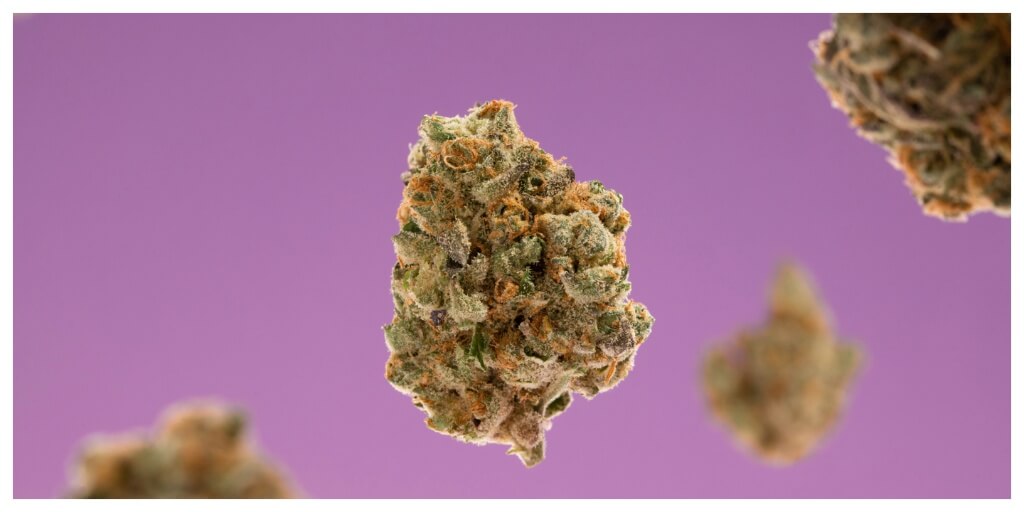
CBD flower – ideal for quick relaxation before bed.
CBD gummies – great for beginners or paired with mild botanicals (like chamomile or lemon balm).
What to Expect (and What Not to Expect)
CBD Isn’t a Sleeping Pill
This is where many misunderstand CBD. It won’t “knock you out.” Instead, you may start noticing small shifts: feeling calmer in the evening, fewer racing thoughts, and an easier transition to rest. Over time, those subtle effects compound into deeper, more consistent sleep.
Think of it like restoring balance, not forcing shutdown.
Be Patient (and Realistic)
CBD’s impact depends on your body chemistry, dosage, and lifestyle. It works best when paired with good sleep hygiene, which includes consistent bedtime, low light exposure, reduced caffeine, and mindful wind-down habits.
That’s why a holistic approach always outperforms any single product. CBD supports the process, but you build the foundation.
Building Real Rest Beyond CBD
At its core, sleep isn’t something you can buy, it’s something you relearn. CBD can play an important role, helping calm the system and create the conditions where rest can happen. But sustainable sleep comes from the full picture:
Routine: Go to bed and wake up at the same time every day.
Light: Reduce screen exposure an hour before sleep.
Nutrition: Avoid heavy meals and stimulants in the evening.
Mindset: Try breathwork, journaling, or meditation before bed.
Pairing these habits with gentle CBD products creates a supportive environment for long-term recovery.
Because in the end, CBD isn’t a cure, it’s a companion. It helps you find your rhythm again naturally.
Cannabis has some seriously strange names. From Cat Piss and Unicorn Poop to Northern Lights, explore 30 of the funniest, weirdest and most interesting cannabis strain names and the stories behind them.
Hemp is cannabis – but the distinction between hemp and other cannabis varieties can get surprisingly complicated. Learn how THC, CBD, genetics, cultivation, uses and legislation shape the difference between cannabis and hemp.
CBG and lion’s mane are both used in focus supplements, but they work differently. Compare their potential uses, limitations, side effects and suitability for ADHD routines.