Curiosity around smoking tea has quietly grown inside herbal smoking culture. As more people explore tobacco alternatives and plant-based rituals, green tea, black tea, and herbal tea leaves sometimes enter the conversation.
But here’s the key point: brewing tea and burning tea are completely different chemical processes.
Within the broader world of herbal blends for smoking, tea is occasionally used as a filler or flavor layer. But improvising with kitchen tea bags is not the same as using herbs selected and balanced specifically for combustion. This article is here to provide some clarity on the topic and help you decide whether this is something to explore further.
Is Smoking Tea A Thing?
Yes, smoking tea is something people experiment with.
In simple terms, it refers to drying and combusting herbal leaves for inhalation, rather than steeping them in hot water. That distinction matters.
When you brew tea, hot water extracts water-soluble compounds like caffeine, polyphenols, and amino acids. When you burn tea, you create smoke, and smoke always contains combustion byproducts.
Most traditional teas, like green, black, white, and oolong, come from the same plant: Camellia sinensis. What separates them is processing and oxidation.
Herbal teas are entirely different plants. Chamomile, lavender, mint, and similar “teas” are dried flowers or leaves from other botanical species. Their chemistry, flavor, and burn characteristics vary widely.
People typically encounter smoking tea in three ways:
Smoking loose tea leaves on their own
Mixing tea into a homemade herbal blend
Using tea as a nicotine-free filler
Each approach comes with different considerations.
Is Smoking Tea Safe? What Science Says
This is where clarity matters.
There is very limited inhalation-specific research on smoking tea leaves. That means we cannot draw strong conclusions about safety or long-term effects.
What we do know is broader and well established:
Combustion of any plant material produces smoke
Smoke contains particulate matter and irritants
Inhalation exposure differs from oral consumption
Tea leaves contain compounds like caffeine, polyphenols, tannins, and L-theanine. These are often associated with benefits when consumed as a beverage. However, combustion changes chemistry. Heat can destroy delicate compounds and create entirely new ones.
It’s important to understand this distinction:
The benefits associated with drinking green tea do not automatically translate to inhaling its smoke.
Are There Scientifically Proven Benefits?
At this time, there are no well-established clinical studies demonstrating health benefits from smoking tea.
Some individuals report subjective effects such as:
Mild stimulation
Subtle flavor experience
A tobacco-free ritual
However, these are anecdotal. From a scientific standpoint, there is insufficient evidence to label smoking tea as beneficial.
Lack of research does not equal safety. It simply means the data is limited.
Smoking Green Tea
What Happens When You Smoke Green Tea?
Green tea is minimally oxidized. It retains many compounds that are sensitive to heat and oxygen.
When burned, several things happen:
Delicate antioxidants degrade
Flavor shifts from grassy to bitter
Smoke carries combustion byproducts rather than nutrients
Green tea contains caffeine and L-theanine, which contribute to its reputation as a balanced stimulant when consumed as a drink. But combustion is a high-temperature process. Many of the compounds associated with green tea’s beverage profile are altered or destroyed during burning.
Does Smoking Green Tea Contain Caffeine?
Caffeine is relatively heat-stable compared to some other plant compounds. However, stability does not equal effective delivery.
Inhalation absorption differs from digestion. The amount of caffeine that survives combustion and is absorbed through smoke is not well studied. Effects, if present, are likely inconsistent and unpredictable.
In short, smoking green tea should not be viewed as a reliable way to experience caffeine.
Smoking Black Tea
Chemical Differences Between Green and Black Tea
Both green and black tea come from Camellia sinensis, but black tea undergoes full oxidation during processing.
This oxidation changes:
Flavor profile
Tannin concentration
Aroma compounds
Black tea generally has a stronger, more robust taste. It also tends to contain higher tannin levels, which can influence harshness when burned.
Does Smoking Black Tea Feel Different?
Some people describe black tea smoke as heavier or more intense in flavor compared to green tea. That likely relates to oxidation and tannin content.
From a combustion standpoint, however, the same principle applies:
Burning plant material produces smoke and irritants regardless of oxidation level.
There is no reliable evidence suggesting that smoking black tea is safer or more effective than smoking green tea.
Smoking Chamomile and Other Herbal Teas
Can You Smoke Chamomile?
Chamomile is one of the most commonly mentioned herbs in smoking blends. Unlike green or black tea, chamomile is a flower, not a tea leaf from Camellia sinensis.
Historically, chamomile has been:
Brewed as a calming tea
Burned as incense
Used in traditional herbal mixtures
In modern herbal smoking culture, chamomile sometimes appears in pre-formulated blends. That said, inhalation-specific research remains limited. As with any combusted herb, smoke exposure carries irritant potential.
Which Herbal Teas Are Common in Smoking Blends?
Certain herbs are more commonly used in smoking blends due to their burn characteristics and flavor profile. These include:
Mullein, in particular, is frequently used as a base herb in herbal blends because of its texture and burn consistency rather than flavor.
However, not all tea-bag herbs are suitable for combustion. Many commercial teas contain:
Flavorings
Essential oils
Artificial additives
For those exploring herbal smoking culture, purpose-made herbal blends designed specifically for combustion are generally more predictable than improvising with kitchen teas. RedEyeMonkey’s curated herbal smoking blends are formulated with balance, moisture control, and burn consistency in mind.
Interest in smoking tea often comes from a desire to avoid nicotine while keeping a ritual.
Common motivations include:
Exploring nicotine-free options
Flavor experimentation
Reducing tobacco use
Mixing with other legal herbs
The ritual element – rolling, packing, inhaling – matters to many people. Tea becomes one of several plant-based alternatives explored in that context.
What to Consider Before Smoking Tea
Before experimenting, several practical factors matter.
First, moisture level affects burn quality. Tea that is too dry burns harshly. Tea that is too moist burns unevenly.
Second, commercial tea bags may contain additives not intended for combustion.
Third, harshness can vary significantly between plant types. Not all teas produce a smooth experience when burned.
For a more intentional approach, many people choose purpose-made herbal smoking blends, quality rolling papers, and carbon filters. Carbon filters in particular can reduce particulate exposure and improve smoothness.
How to Prepare Tea Leaves for Smoking (If Someone Chooses To)
If someone chooses to experiment, quality control becomes essential.
Only pure, additive-free loose-leaf tea should be considered. Flavored teas or those treated with oils should be avoided. The material should be fully dried but not brittle. Grinding should be light, not powdered, to allow airflow and avoid inhaling small plant particles.
Some individuals prefer using a vaporizer instead of direct combustion, as vaporization typically involves lower temperatures.
The key principle remains the same: informed decision-making reduces avoidable risks.
Why Herbal Smoking Blends Are Different From Just Smoking Tea
There is a significant difference between improvising with tea and using a properly designed herbal smoking blend.
Purpose-made blends are typically:
Balanced for moisture
Selected for burn consistency
Composed of herbs traditionally used for smoking
Designed for smoother flavor
Tea on its own is rarely optimized for combustion. Herbal smoking blends, by contrast, are formulated with airflow, texture, and taste in mind.
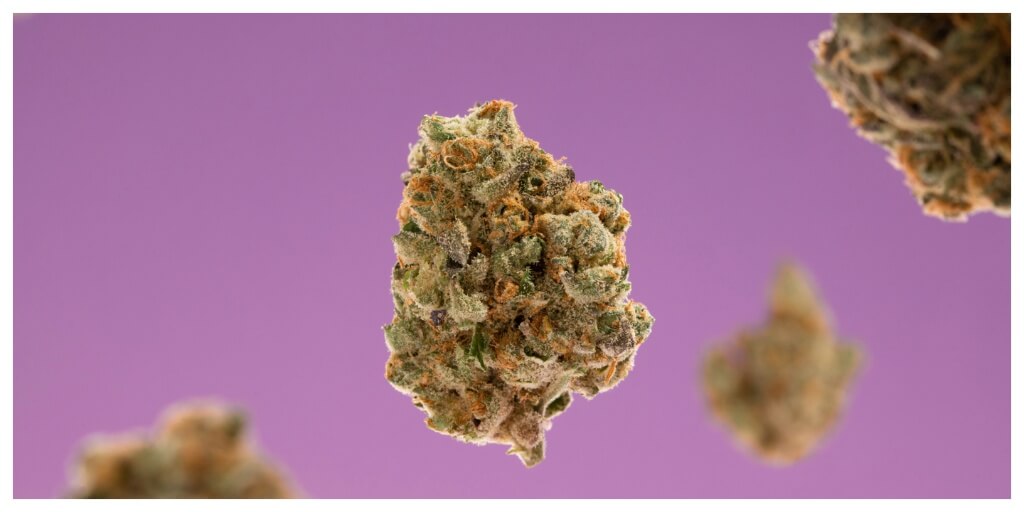
For those exploring tobacco alternatives or plant-based rituals, curated herbal smoking blends or CBD flowers offer a more predictable experience than random kitchen experimentation.
FAQ About Smoking Tea
Is smoking green tea safe?
There is limited research specifically on smoking green tea. Burning any plant material produces smoke and irritants. Lack of research does not mean it is safe.
Does smoking tea get you high?
No. Tea does not contain psychoactive compounds associated with intoxication. Effects, if any, are mild and typically limited to flavor or ritual experience.
Does smoking tea contain caffeine?
Tea contains caffeine, and caffeine is relatively heat-stable. However, the amount that survives combustion and is absorbed through inhalation is not well studied and likely inconsistent.
Can you smoke tea leaves from a tea bag?
It is not advisable to burn tea bags containing flavorings, essential oils, or additives. Only pure loose-leaf material should even be considered.
Is smoking chamomile safe?
Chamomile is commonly used in herbal blends, but combustion still produces smoke byproducts.
Can you use tea as a tobacco substitute?
Some people experiment with tea as a nicotine-free filler. However, tea is not formulated for combustion like purpose-made herbal smoking blends.
Is it better to vape tea instead of smoke it?
Vaporization typically uses lower temperatures than combustion, which may reduce some byproducts.
Takeaway: Should You Smoke Tea or Not?
Interest in smoking tea reflects a broader shift toward plant-based experimentation and tobacco alternatives. Curiosity is natural.
But clarity matters.
Combustion always produces smoke byproducts. Research on inhaling tea specifically is limited. Drinking tea and burning tea are chemically different processes.
For those exploring herbal smoking culture, informed decisions and quality control are essential. Purpose-made herbal smoking blends or CBD flower are generally a much better idea to explore.
If you’re curious about plant-based smoking options, explore RedEyeMonkey’s herbal smoking blends, CBD flowers and carbon filters for a more curated experience.
Cannabis has some seriously strange names. From Cat Piss and Unicorn Poop to Northern Lights, explore 30 of the funniest, weirdest and most interesting cannabis strain names and the stories behind them.
Hemp is cannabis – but the distinction between hemp and other cannabis varieties can get surprisingly complicated. Learn how THC, CBD, genetics, cultivation, uses and legislation shape the difference between cannabis and hemp.
CBG and lion’s mane are both used in focus supplements, but they work differently. Compare their potential uses, limitations, side effects and suitability for ADHD routines.